
21 November 2025
CWGC Birmingham event spotlights Punjab Registers and soldiers of South Asia
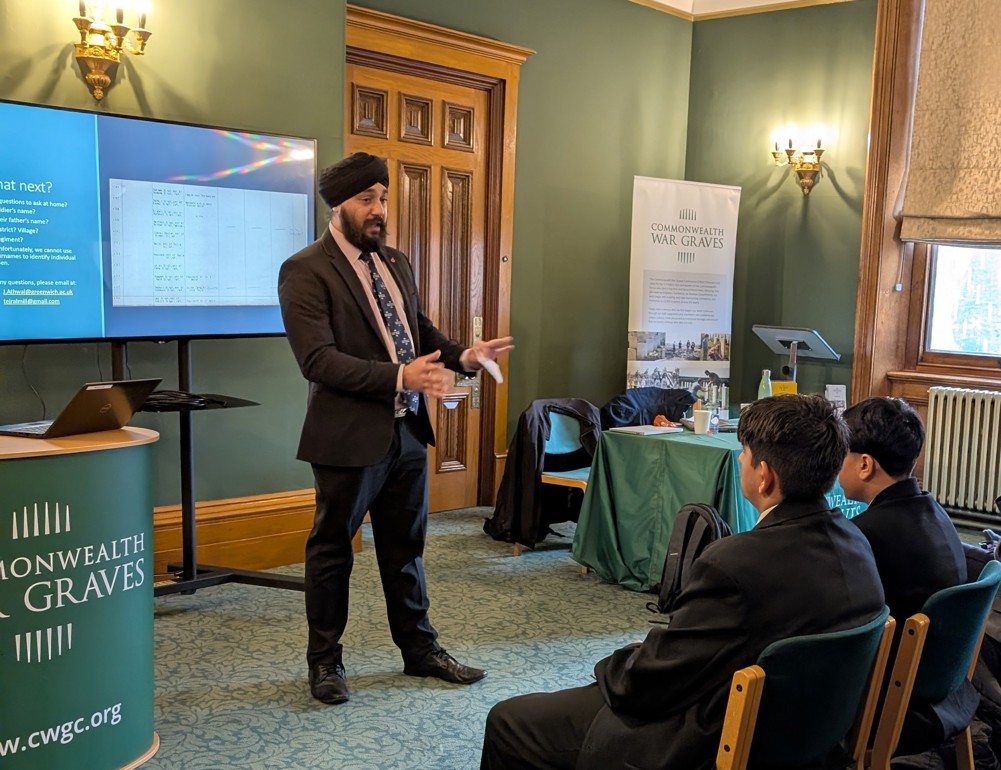
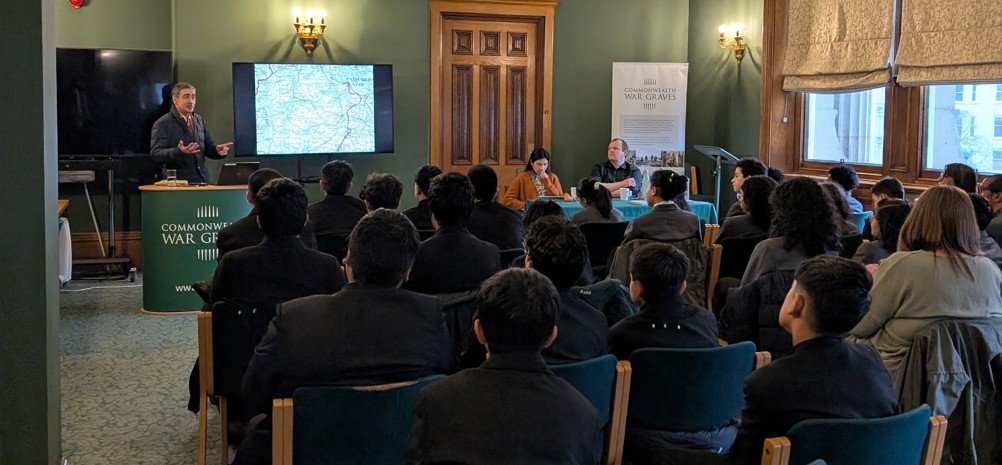
In a powerful and timely event, the Commonwealth War Graves Commission (CWGC) hosted “The First World War Punjab Registers” in Birmingham, shedding light on a vital but often overlooked chapter in the shared history of Britain, South Asia, and the First World War.
The event was held on Friday November 14th at the Council Chambers in Victoria Square. Students from Birmingham Schools had the opportunity to explore the Punjab Registers, archives compiled of Indian soldiers — particularly from the Punjab region — who served under the British Empire during the First World War.
These registers document names, regimental details, battalion movements, and in many cases, the ultimate fates of soldiers from across what is now India, Pakistan, and Bangladesh (then unified under British India). Through expert-led talks, attendees had the opportunity to gain a greater insight into this absorbing piece of history and the sacrifice and diversity of the Commonwealth forces.
Captain Jay Singh-Sohal, OBE VR and Commonwealth War Graves Foundation Trustee. said:
“These registers are more than historical ledgers — they are memorials in ink, preserving the names and stories of men who left their villages and homelands to fight in a conflict far from home. Sharing this with young people ensures greater awareness and confidence in our national story, shaped by diverse contributions from all over the Commonwealth.”
The importance of the Punjab Register
While millions of British and European soldiers have had their stories commemorated in museums, media, and public memory, the contributions of Commonwealth troops from India — especially from Punjab — have frequently remained under-recognized. The Punjab Registers help bridge this gap. They serve as:
A tool for genealogical and historical research
A means to restore visibility to diverse war narratives
A resource for education about the multinational nature of the British war effort
By making these records more accessible and publicised, the CWGC and partners hope to enrich collective memory and stimulate conversations about the role of Empire, migration, identity, and remembrance in modern Britain.