

25 November 2025
Reducing Greenhouse Gas Emissions, Enhancing Biodiversity: Our 2025 sustainability milestones
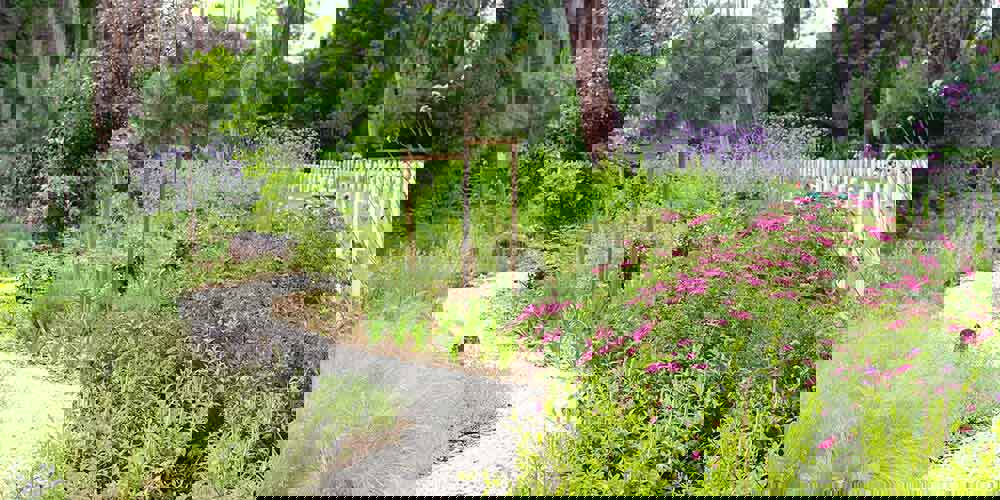
For more than 100 years, we’ve been entrusted with the care and commemoration of the 1.7 million Commonwealth men and women who died during the two world wars. With this privilege comes the responsibility of caring for the 23,000 cemeteries and memorials we maintain around the world.
Adopting an environmentally responsible approach to our work is a vital part of our core mission. Today, our climate is becoming more unpredictable and biodiversity is in widespread decline, and it becomes increasingly important for us to play our part.
Our Head of Environmental Sustainability, Lise Andreassen, said:
“Adopting an environmentally responsible approach to our work is a vital part of our core mission. Today, our climate is becoming more unpredictable and biodiversity is in widespread decline, and it important for us to play our part.
“While there is still much work to be done, we are making tangible strides towards reducing the environmental impact of our activities and we are making real progress in delivering on the positive potential of our estate, both in terms of promoting greater biodiversity and sequestering more carbon dioxide. The progress we have achieved is down to our teams around the world working to support our sustainability agenda.”
Progress on Greenhouse Gas Emissions and Renewable Energy
Nearly 50% of our purchased electricity now comes from renewable sources, and we aim to move towards 100% renewable electricity by 2031 (where available in country).
We have also invested in 21 renewable energy systems, comprised of photovoltaic and solar thermal installations. Certain locations have now achieved self-sufficiency in electricity, reducing demands on local energy supplies.
These changes, as well as our introduction of electric vehicles and a progressive switch to electrically-powered machinery, means that our combined scope 1 emissions (which we generate directly) and scope 2 emissions (arising from the generation of purchased electricity) have fallen by 12% since 2022.
Biodiversity and Landscape Enhancements
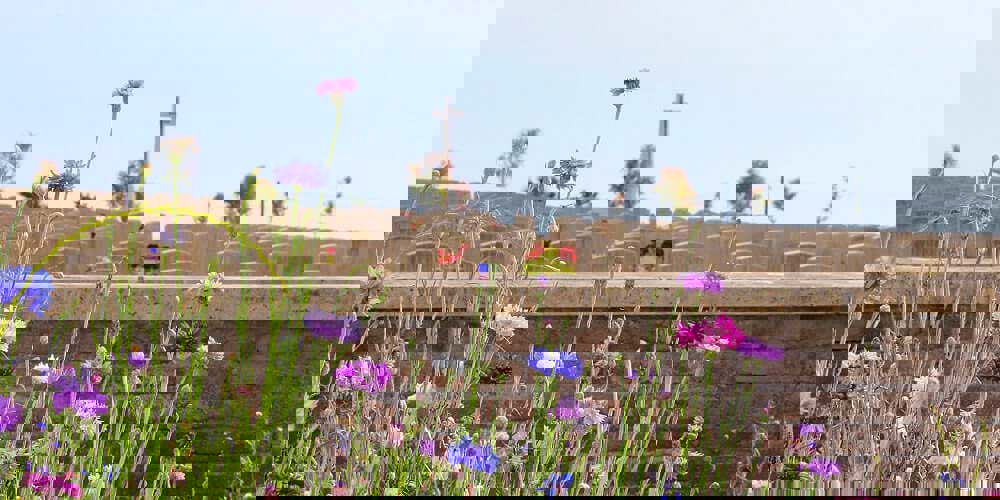
Visitors to our sites throughout the last year may have noticed some subtle changes. Over 974 biodiversity improvements have been implemented in our cemeteries and at our memorials, including wildflower zones, insect hotels, and bird nesting boxes, alongside a 98.6% reduction in pesticide and biocide use since 2019.
Circular Economy and Resource Efficiency
Water consumption has been cut by 21% through smart irrigation systems and water-efficiency targets, mixing the latest technologies with over 100 years of horticultural expertise. We’ve also completed more than 60 water efficiency audits over the last three years to raise awareness and promote action on conserving water.
Our waste reduction initiatives include more composting, less landfilling of biodegradable waste and better provision for recycling.
Future-Focused Initiatives and Climate Adaptation
We are preparing for the future by embedding climate risk modelling into project design. Through this modelling, we can better understand how the risks associated with various climate change scenarios are likely to affect our sites around the world. By understanding now the present and future risks of drought, wildfire, flooding and erosion, we can better plan to respond to these risks and protect our cemeteries and memorials.
We are expanding our tree planting programme and have reviewed 209 sites so far to identify tree planting opportunities. As well as promoting carbon sequestration, the 2455 additional trees planted to date will provide other ecosystem benefits such as enhancing biodiversity and providing extra shade.
Collaborative Approach and Governance
Our sustainability transition is permeating effectively through the organisation and has progressed to a business-as-usual status. Our governance structures, revised processes, staff training and internal communications all help to support the changes we are making.
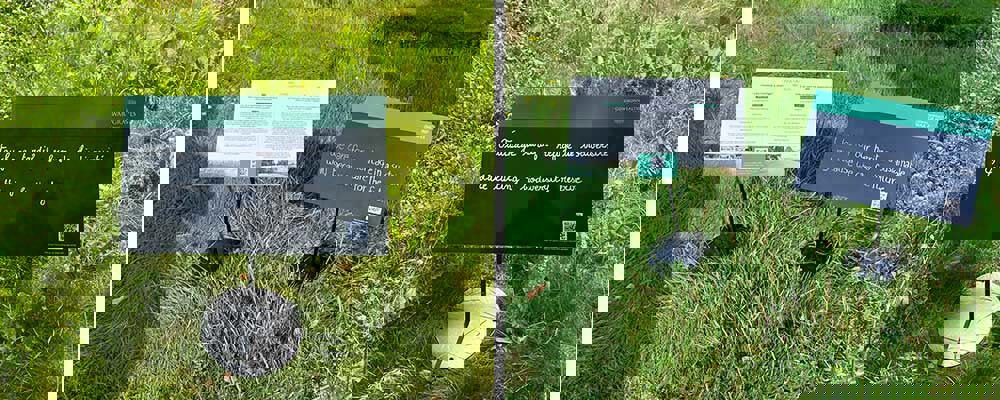
For our sustainability transition to be successful, we need buy-in from all levels of our organisation and from our friends, supporters and visitors too. When you visit our sites, you might spot some new signage: one type of board is pre-printed and provides an overview of our main sustainability objectives; the other type shows hand-written messages from local gardening teams, highlighting changes that may be observed on individual sites. We’d love for you to read them and consider what you can do for the environment too.
If you want to learn more about our sustainability goals and what we’re doing to achieve them, you can download and read our 2025 environmental sustainability report.
Download the latest CWGC Environmental Sustainability Report 2025