


39,000 trees for 2039

We want to ensure our cemeteries, memorials and their surrounding landscapes are healthy, climate-resilient and biodiverse, whilst remaining places of deep meaning. By committing to planting 39,000 trees for 2039 across our global estate, we recognise our responsibility to capture more carbon and support thriving natural habitats.
 What is 39,000 Trees?
As part of our long-term commitment to sustainability, we will be planting 39,000 trees across our global estate.
Carefully mapped and planned, this programme is designed to shape a healthier, more climate-resilient landscape across our cemeteries and memorials, respecting the heritage, horticultural and geographical diversity of our sites worldwide.
Our Director of Horticulture, David Richardson, said: “We are proud to be launching this incredible project to plant 39,000 trees all over the world, by 2039, which marks a century since the start of the Second World War.
“As world leaders in commemoration and as a significant global employer of expert horticulturists, we want to ensure our cemeteries, memorials and their surrounding landscapes are beautiful, healthy, climate-resilient and biodiverse, whilst remaining places of deep meaning.”
At a Glance: What 39,000 Trees for 2039 Means
- 39,000 Trees for 2039 is our global pledge to capture more carbon and support more thriving natural habitats
- 39,000 trees will be planted, assessed, or replaced by 2039, marking 100 years since the start of the Second World War
- This is a global project, reflecting our work in over 150 countries and territories worldwide
- 39,000 Trees for 2039 is part of our commitment to the long-term care of our war cemeteries and memorials
- It will help improve climate-resilience, biodiversity and longevity of our sites
- Guided and planned with our specialist horticulture teams and external partners such as BotanicGardens Conservation International, The Tree Council, Forestry Commission and Royal Botanical Gardens Kew
- Integrated into our long-term care and maintenance strategy
Around the World – A Global Approach
We have identified a number of initial sites to begin planting:
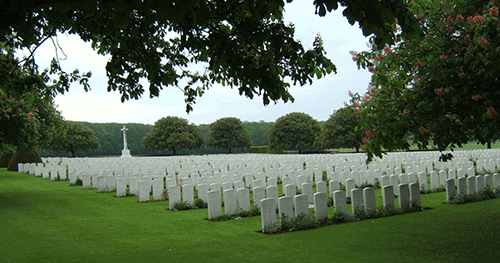
Europe
In France, sites such as Guillemont Road, Ervillers and the Guards Cemetery at Combles will benefit from new tree plantings. At Coriano Ridge in Italy, 48 new trees have been planted and two replaced alongside a major overhaul of irrigation systems to resolve long-standing challenges.
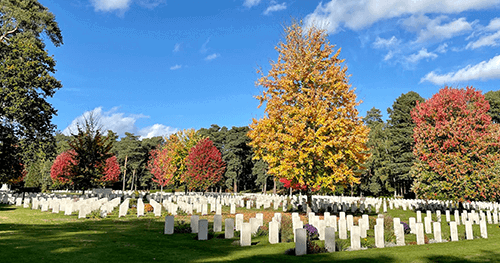
UK
At Brookwood Military Cemetery, sustainability is woven into every aspect of a newly landscaped environment to mark casualties from the First World War, which will include more than 500 trees, providing the natural setting for a new memorial.
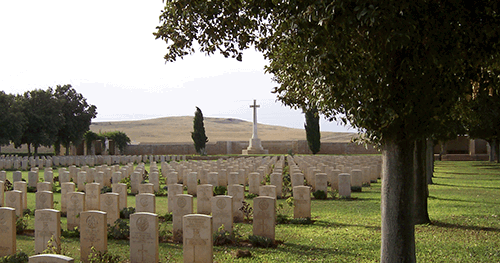
North Africa
In Tunisia’s fertile Medjerda Valley, a landscape renovation of Medjez-El-Bab cemetery will bring new olive pomegranate, orange and other ornamental trees, to symbolise the region’s economy and identity, whilst reducing water-stress, supporting pollinators, providing shelter for wildlife, and improving soil health.
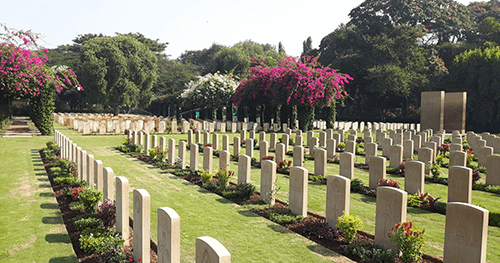
Cemeteries on the African continent, South and southeast Asia
Cemeteries in India, Nigeria, Kenya, Thailand and Malaysia will benefit from plantings, largely focused on introducing native trees with strong carbon absorption properties, contributing to climate resilience.

How the 39,000 Trees for 2039 Programme Works
Assessment & Mapping
A variety of methodologies and techniques were used to assess our current tree stock and map out future plantings.
We use software such as TreePlotter to collect a wealth of data on our global estate and tree inventory, such as plant health, soil conditions, and so on.
We also drew on the latest data from worldwide organisations, such as Botanic Gardens Conservation International, to predict future climate shifts and inform our decision-making.
All of this is driven by our “Right Plant, Right Place” approach, ensuring we are selecting the right species for the environment and conditions with a view to long-term sustainability.
Planning and consultation
Commonwealth War Graves has worked with a variety of partners, including Botanic Gardens Conservation International, The Tree Council, Forestry Commission, and RBG Kew, on the 39,000 Trees Programme.
Leaning on their skill and expertise, and combining it with our own extensive knowledge, has greatly aided us in our planning and implementation of 39,000 Trees for 2039.
Planting and aftercare
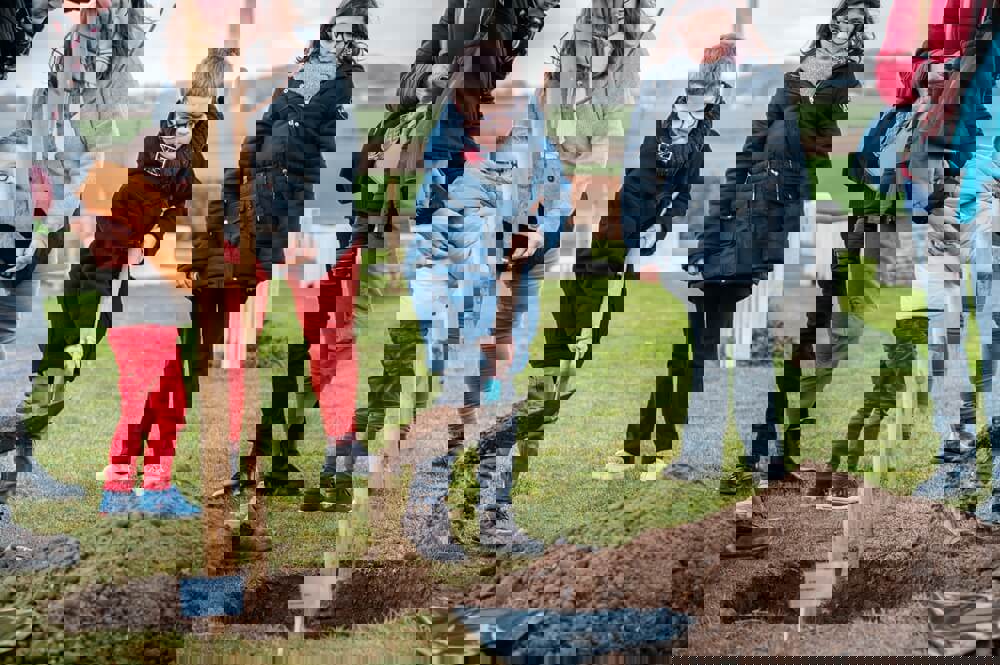
Much of the planting can be split into two categories – the creation of woodland and copse areas using young tree seedlings (whips) and specimen planting that will see carefully selected plantings of open-grown trees to compliment the original architectural designs.
The first plantings have already taken place in France and Italy, with more on the way. Aftercare for new saplings and tree specimens is integrated into our day-to-day horticulture management activities and schedules.
Care and maintenance of our sites, including 39,000 Trees programme locations, is a continual, evolving process.
Technology, such as TreePlotter, will play a big role in how we monitor tree performance globally.
As climates and conditions change worldwide, we are innovating and updating our approaches to protect our sites and to ensure they remain beautiful spaces that inspire and delight.
Over time, the campaign will evolve to engage schools, learners and partners – building lasting awareness, support and understanding for tree stewardship, and its potential to support local wildlife through the provision of food and shelter, to improve soil health, to sequester more carbon dioxide and provide shade and seasonal interest - as well as enriching the CWGC visitor experience for decades ahead.

Why is a long-term programme needed?
Changing environmental conditions
Changing climates and erratic weather are affecting the day-to-day and seasonal health of our global estate.
Around the world, our sites are experiencing longer, drier summers, and stormier, wetter autumns and winters.
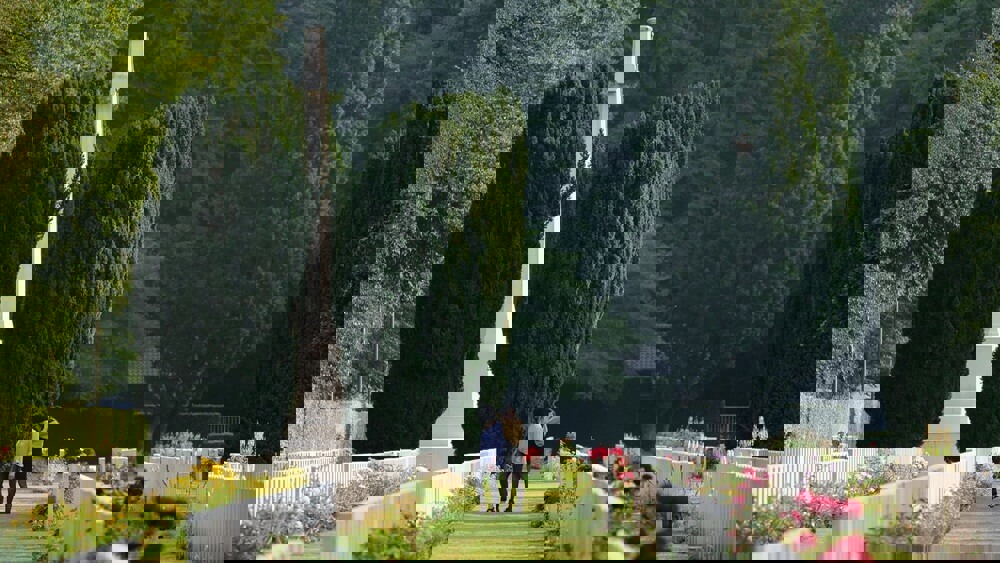
Trees create habitats that can adapt and thrive in changing climates and support local wildlife. In doing so, we strengthen the climate resilience of our sites, while offering beauty and tranquillity for visitors.
Aging tree stock
Some of our trees were planted over a century ago and are coming to the latter stages of viability across our global estate.
Sustaining our green canopy is an important and ongoing challenge for us. Like-for-like replacements for many tree species are becoming less of an option due to changing global climates.
39,000 Trees for 2039 provides an opportunity to review our existing trees, make necessary replacements, and ensure we plant the right species for the environment, for both beauty and practicality.
Planning for the next generation
The long-term health and care of our sites is vitally important.
As the World Wars fade from living memories, our sites are reminders of the cost of conflict and permanent points of commemoration for the Commonwealth’s war dead. Protecting them is about protecting our shared memory so the men and women they commemorate are never forgotten.
By making our sites more resilient to changing climates, we can protect and maintain these sites in perpetuity.
But horticulture has an important role to play in reducing our climate impact. Trees and plant life sequester carbon dioxide, helping lower the overall levels of CO2 and greenhouse gases released into the atmosphere.
39,000 Trees allows us to enhance the carbon sequestration aspect of our global estate as part of our wider sustainability commitments and goals, protecting our sites for future generations to experience and appreciate.

Right Tree, Right Place
We are adopting a "Right Ecosystem/Right Plant/Right Place" approach to meet the climate of the future, transitioning to more sustainable landscapes and gardens which are in tune with the changing weather and climate, but still have a strong sense of place and are easily identifiable as being Commission sites.
Using data, we consider climate projections 30-50 years into the future, which informs which tree species we plant at particular sites. Ensuring the right species fit the environment helps us with other aspects of plant care, such as water use and soil quality, integrated into our wider sustainability commitments.
Our long-term goals to 2039
39,000 Trees for 2039 is guided by clear, long-term goals that support resilient landscapes and responsible custodianship across Commonwealth War Graves’ global estate.
Strengthen landscape resilience
Planting trees on our sites delivers wide-ranging benefits, including supporting local wildlife through the provision of food and shelter, improving soil health, sequestering more carbon dioxide, providing shade and seasonal interest, and enriching the visitor experience for decades ahead.
This planting initiative focuses on ‘the right species in the right place at the right time’, creating natural, native habitats that can adapt to changing climates and support local wildlife. In doing so, we strengthen the climate resilience of our sites, while offering beauty and tranquillity for visitors.
Improve monitoring and planning systems & upskilling our teams
We’ll be tracking our progress in a central database using Tree Plotter software and monitoring our carbon sequestration throughout the project.
39,000 by 2039 also provides huge opportunities for us within the Commission and outside, as well as facilitating the training and development of our horticultural teams and will allow us to work closely with new and existing partners and stakeholders around the world.
Adapting Landscapes Responsibly
Why some sites may look different
As we roll out the 39,000 Trees programme globally, you may notice some differences in Commonwealth War Graves sites.
39,000 Trees is part of a wider adaptation of our constructed sites to shifting climates globally. In some cases, you may notice the grass being left longer to encourage pollinators and biodiversity; you may see some older tree species removed and replaced with more climate-appropriate varieties; you may notice small bug hotels and other similar features installed.
All of these measures are taken to protect our sites long-term without compromising on our original look and feel.
Water stewardship & efficient irrigation
Our aim is to adopt a more holistic approach to managing our horticulture, thinking about design and layout in keeping with the surrounding landscape.
For instance, in the Mediterranean, where we have extensively used irrigation, selecting plants and species naturally suited to the location, with the planting and management of the sites evolving as time goes by.
Water stewardship and efficient irrigation are vital to our work. Limiting water consumption is essential to lowering the environmental impact of our sites, and through smart planting of correct tree species for the environment, we can lower this further.
In 2025, we managed to drop water consumption 21% across our global estate through smart irrigation systems and water-efficiency targets, mixing the latest technologies with over 100 years of horticultural expertise. 39,000 Trees is another part of this ongoing process.
Balancing heritage and adaptation
39,000 Trees for 2039 is a worldwide project designed to improve the long-term resilience of our cemeteries.
While we are constantly innovating and developing our processes and technologies, we do so to protect and maintain our existing heritage.
The final resting places of the 1.7m men and women we commemorate are a lasting legacy left by the World Wars. Maintaining and caring for them is our top priority. As our skills and horticulture approaches develop and adapt in this rapidly changing world, we will never lose sight of the Commission’s purpose.
Why Trees matter in CWGC sites
Trees as part of our original design vision
We consulted with some of the leading horticulturists and gardeners of the time while developing the look and feel of our cemeteries and memorials.
Influenced by the work of Gertrude Jekyll, our cemeteries were to invoke the feel of cottage gardens with flowers, borders and paths.
Trees and plant life have been essential to the look and feel of Commonwealth War Graves Commission cemeteries since our inception. 39,000 Trees continues this grand tradition.
Living Heritage
Trees and plant life are part of our living heritage. Some of the trees we care for were planted in the Commission’s earliest days.
Adapting and developing our approach to horticulture and tree care is all a part of protecting our heritage beyond our headstones and war memorials.
From our earliest days, CWGC cemeteries and memorials are moving spaces that both inspire and delight, with the beautiful, lush plants playing a major role in creating a unique, contemplative, respectful atmosphere.
39,000 Trees for 2039 respects our past while futureproofing our sites.
Follow our progress through to 2039 by signing up to our newsletter. Get the latest updates on this and our other sustainability projects.
FAQs
39,000 Trees for 2039 is part of our commitment to the long-term care of our war cemeteries and memorials by assessing, planting, and replacing 39,000 trees across our global estate.
2039 is the 100th anniversary of the Second World War.
Yes, some trees are reaching the end of their viability in our sites. Our sites are monitored using software like TreePlotter. If necessary, some older trees will be replaced. Others may be replaced by more climate-resilient species, depending on location.
We use data from TreePlotter and organisations like Botanic Gardens Conservation International to forecast climate change, monitor existing tree species, and select appropriate species for the site. We are using a “right tree, right place” strategy to ensure the correct species for the conditions are chosen.
By providing shelter and food for local wildlife, our new plantings will help ensure rich local biodiversity. Trees help improve soil health and quality in numerous ways, such as enriching nutrient content, improving microbial activity, protecting from erosion, and managing water.
The 39,000 Trees for 2039 Programme is designed to shape a healthier, more climate-resilient landscape across our cemeteries and memorials, respecting the heritage, horticultural and geographical diversity of our sites worldwide.