

Madras War Cemetery, Chennai
- Country India
- Total identified casualties 857 Find these casualties
- Identified casualties from Second World War
- GPS Coordinates Latitude: 13.01405, Longitude: 80.19393
Please note
Please be aware that the Cemetery is located on a busy main road. Unfortunately, there is no parking available.
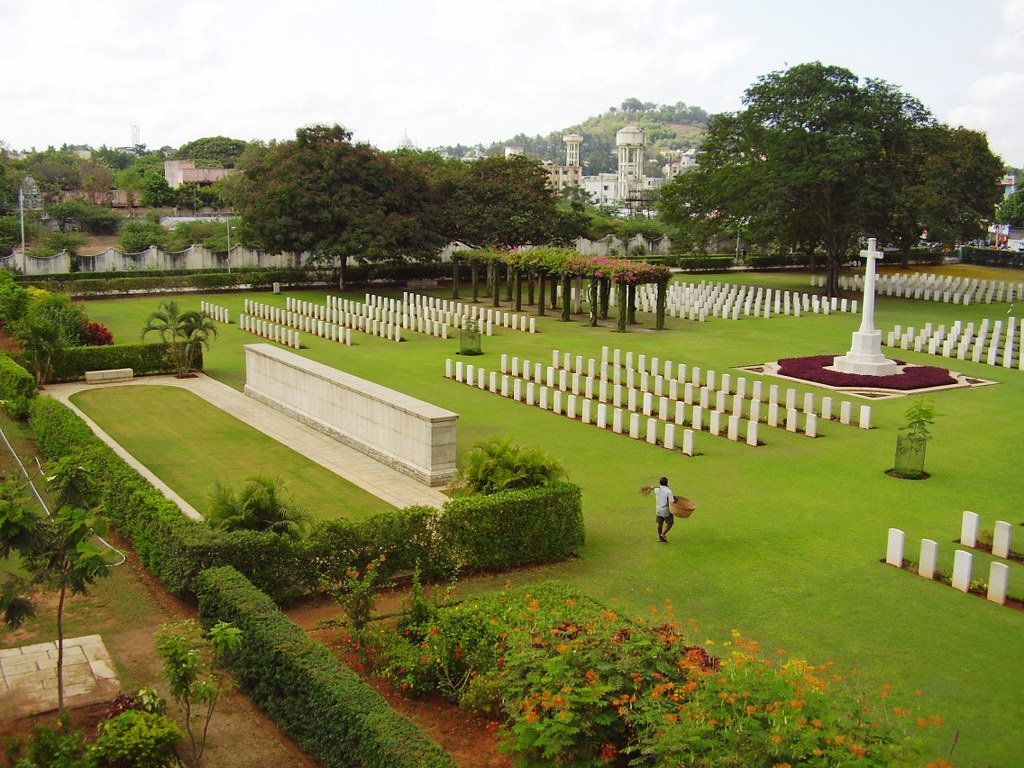
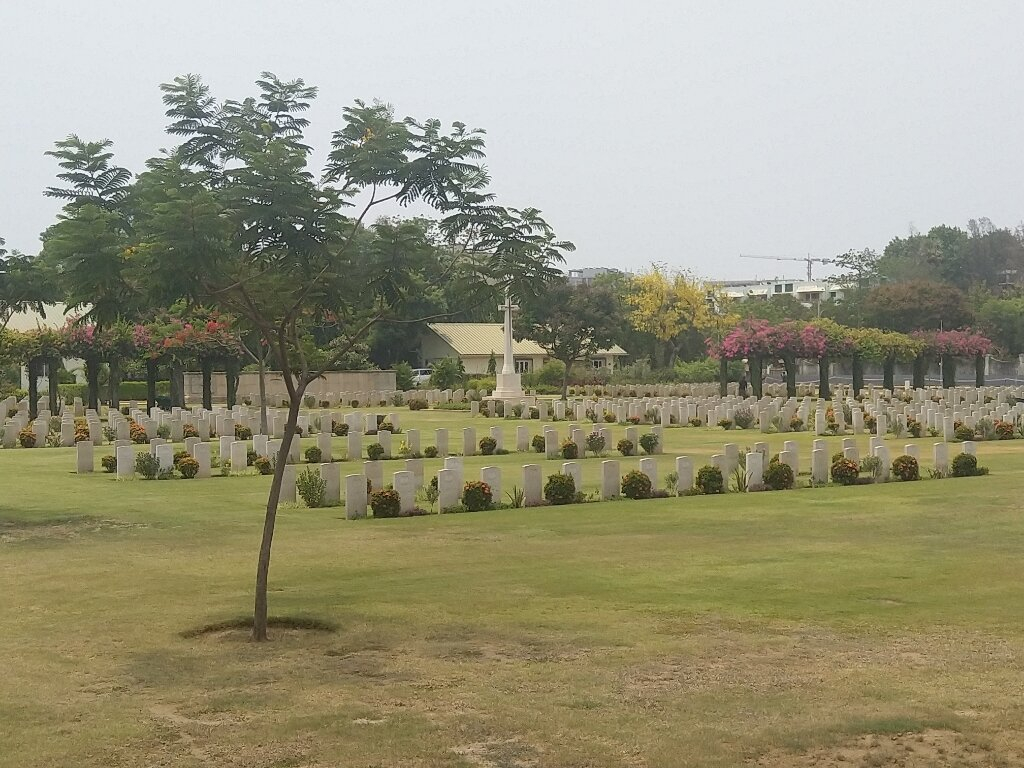
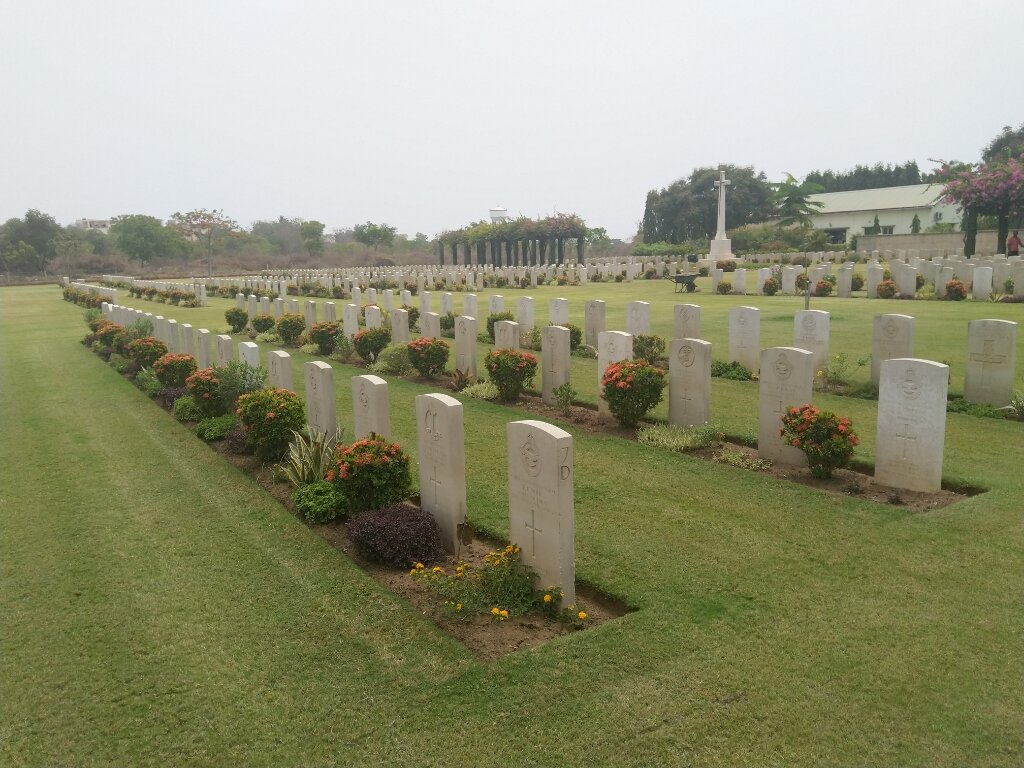
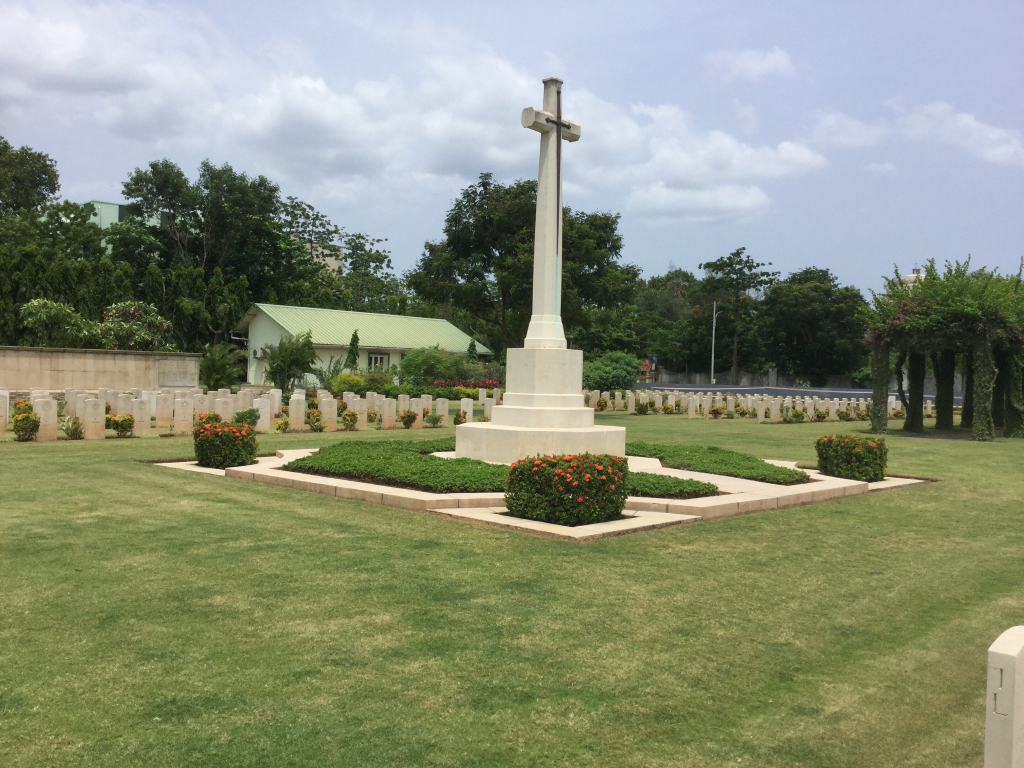
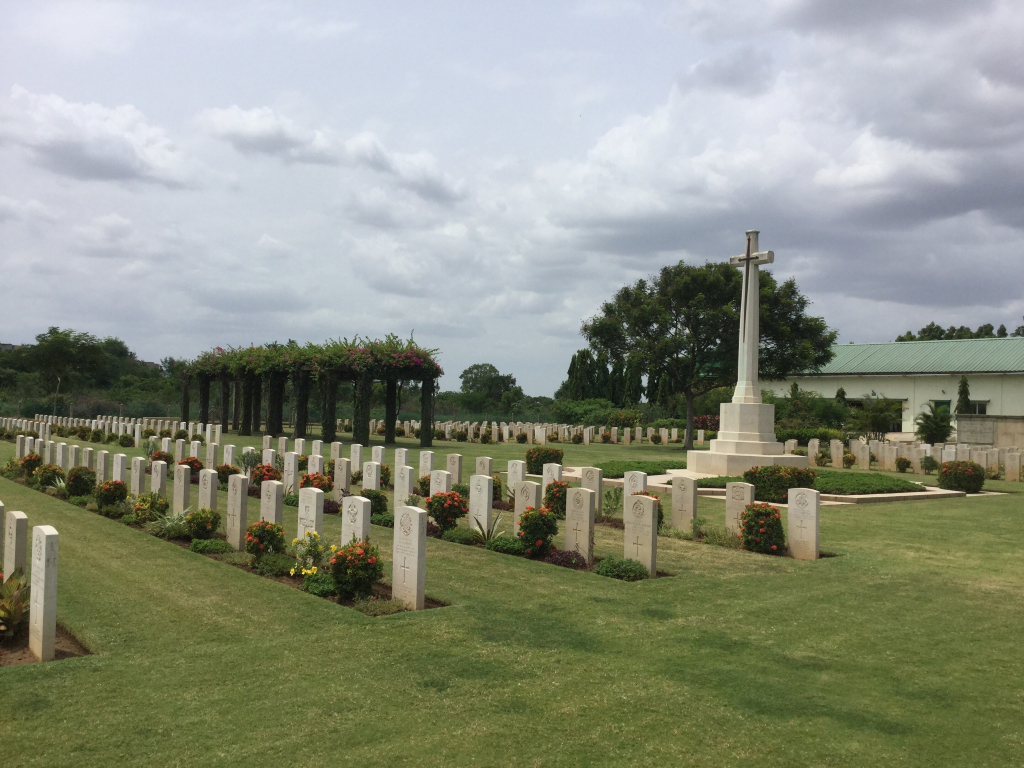
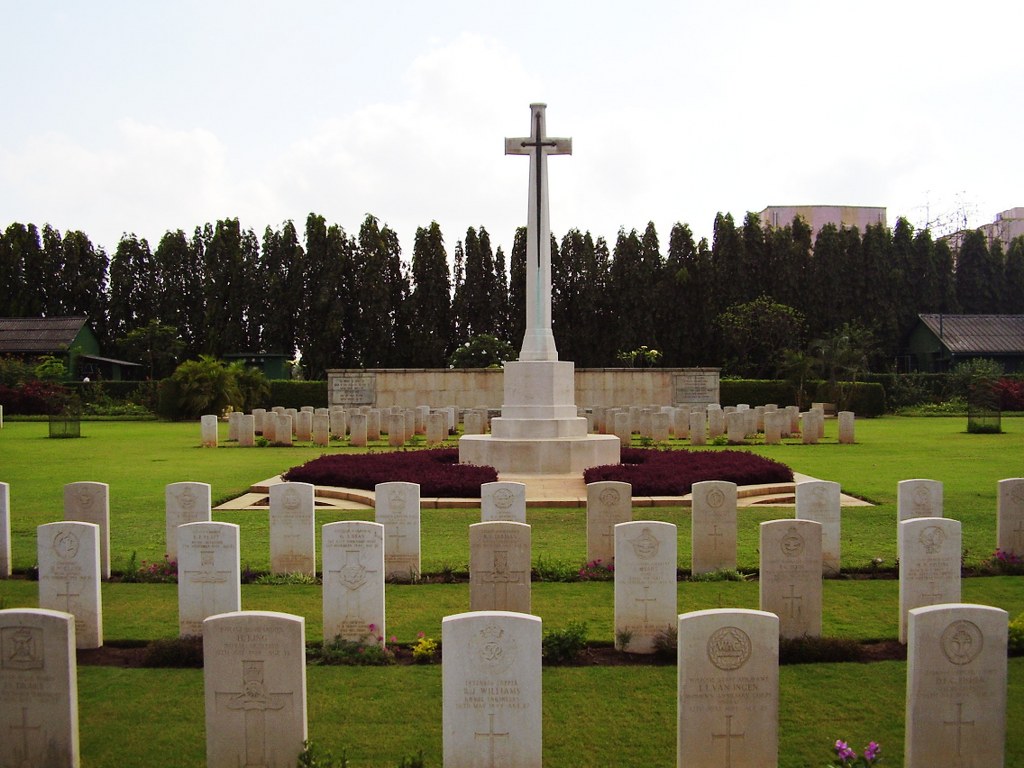
Cemetery Spotlight - Madras War Cemetery, Chennai
Madras War Cemetery lies around five kilometres from Chennai International Airport and 14 kilometres from the city’s central railway station.
Created after the Second World War, it became the permanent resting place for Commonwealth casualties whose graves were brought from civil and cantonment cemeteries across southern and eastern India, where perpetual care could not be guaranteed.
Today, it stands as one of the most visited and recognisable Commonwealth War Graves sites in the region, offering a calm and dignified space amid the energy of a rapidly expanding metropolis.
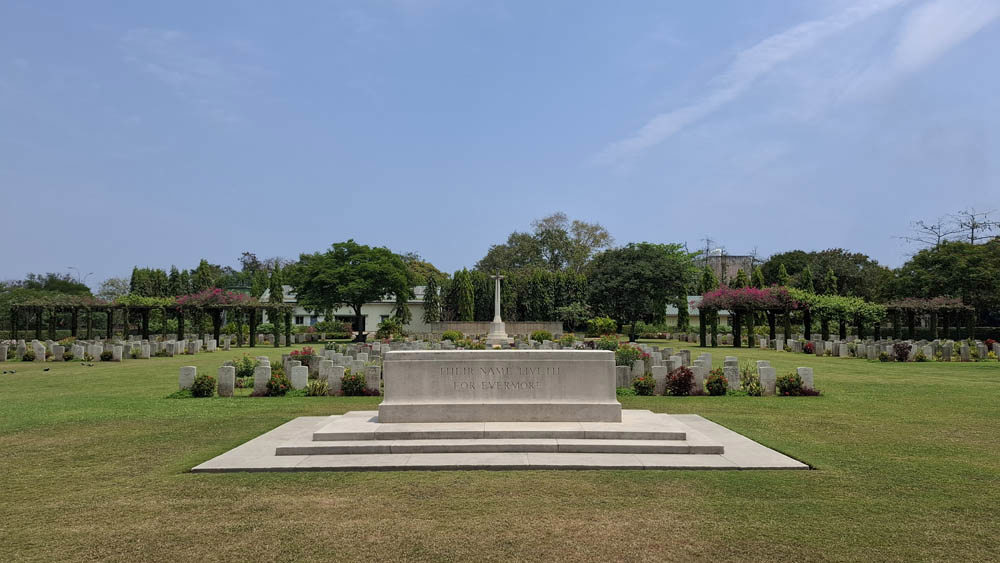
Situated on Chennai’s Coromandel Coast beside the Bay of Bengal, the cemetery is maintained in one of the most challenging climates in the Commonwealth War Graves Commission’s global estate. Summers are long and harsh, with temperatures regularly exceeding 40°C and humidity remaining high throughout the day.
These conditions place enormous strain on the lawns, borders and trees, demanding constant vigilance from the team at Madras. When the northeast monsoon arrives between October and December, the environment shifts dramatically: torrential rain, sudden cloudbursts and occasional tropical cyclones can cause widespread flooding across the city, turning the soil heavy and waterlogged within hours.
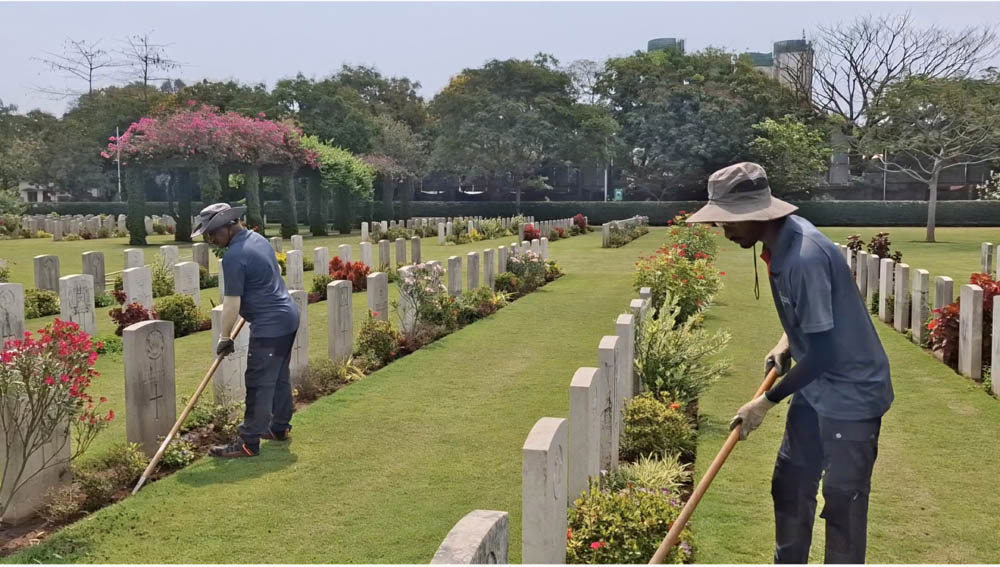
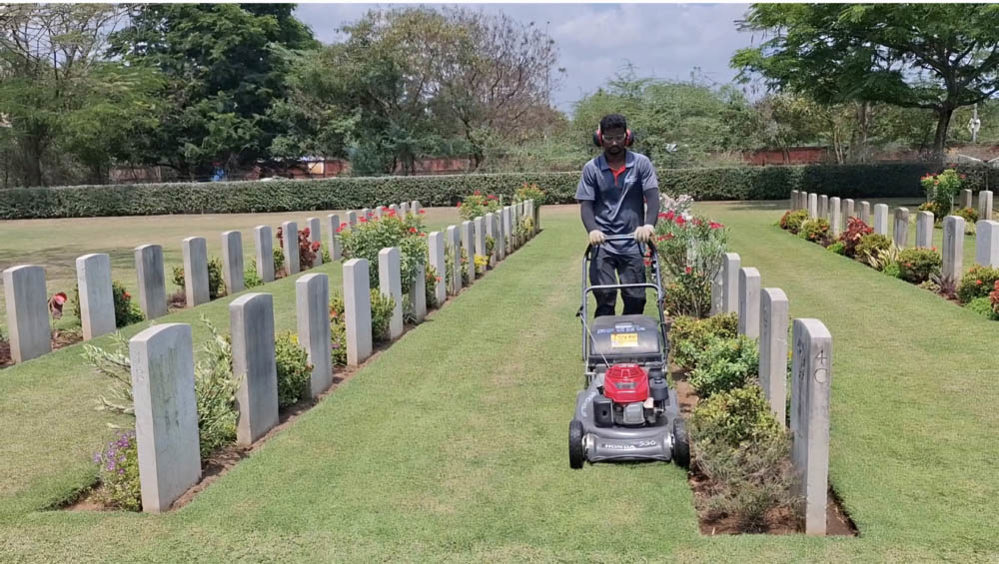
The team proactively manages these challenges by selecting suitable plants which will sustain in both extreme weather conditions. Also, the cemetery has two dug wells functions with a submersible motor, which will be operated during flooding to pump the excess water from the cemetery.
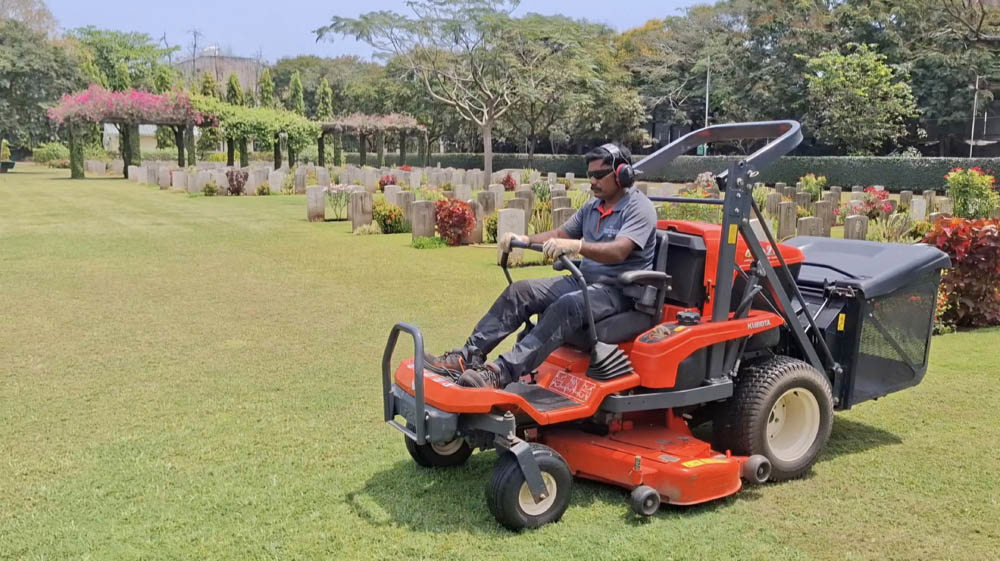
Keeping the cemetery in immaculate and pristine condition throughout the year is the work of a dedicated team of three gardeners, led by a Head Gardener and supported by a Cemetery Manager. Their work blends horticultural expertise with careful long-term planning.
Planting schemes are selected not only for aesthetics, but for resilience, species able to withstand prolonged drought, intense sun exposure and seasonal flooding.
Two dug wells fitted with submersible pumps allow the team to remove excess water quickly during periods of heavy rain, protecting the cemetery’s structure and ensuring that the grounds remain accessible and safe even in difficult weather.
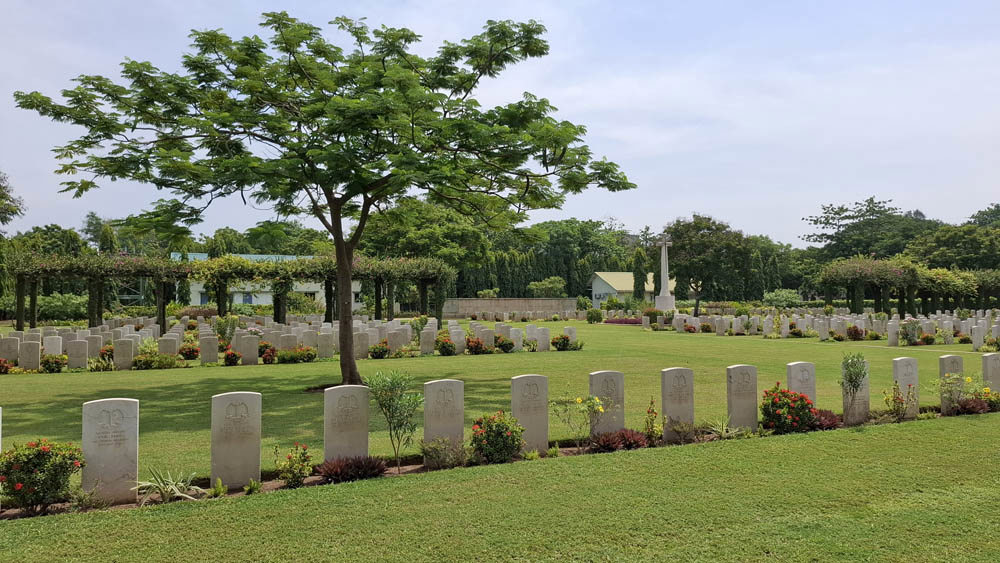
The results of this care are immediately apparent. Visitors are welcomed by vibrant borders, lush green lawns and expertly maintained headstones, offering a peaceful place of remembrance amid one of India’s busiest and fastest-growing cities.
The cemetery’s location, close to major IT companies, residential developments and the Chennai Trade Centre, means it attracts a steady flow of visitors throughout the year, particularly during evenings and weekends when families and commuters seek out quiet spaces.

Sustainability is also central to the cemetery’s ongoing care. A built-in composting silo transforms horticultural waste into nutrient-rich compost used throughout the grounds, reducing reliance on external inputs and supporting soil health.
A fully integrated solar power system helps reduce the site’s environmental impact and ensures essential operations can continue even during power fluctuations common in the monsoon season.
Together with efforts to encourage biodiversity from careful tree management to the protection of native groundcover, these initiatives reflect the Commonwealth War Graves Commission’s commitment not only to preserving the memory of those who died, but also to caring responsibly for these special places for generations to come.
Location information
Madras War Cemetery is about 5 kilometres from the airport and 14 kilometres from the central railway station.
The GST Road (Great Southern Trunk Road) leads from the airport past Trident Hotel to Kathipara roundabout. The way is via Mount Poonamall Road, passing at the foot of St. Thomas Mount. The cemetery can easily be located on the right hand side of the road 1 kilometre from St. Thomas Mount.
From Madras Central Railway Station the route is up Mount Road (Anna Salai) and over the bridge which crosses the River Cooum. The route passes St. Mary's Cemetery on Pallawan Road and is via LIC building (Life Insurance Corporation Building) situated on Mount Road, which leads to Anna Flyover and to Kathipara Junction.
Visiting information
The cemetery is open Monday - Friday between 08:30 and 18:00. Closed weekends and Public Holidays.
History information
MADRAS WAR CEMETERY was created to receive Second World War graves from many civil and cantonment cemeteries in the south and east of India where their permanent maintenance could not be assured.
The cemetery contains 856 Commonwealth burials of the Second World War.
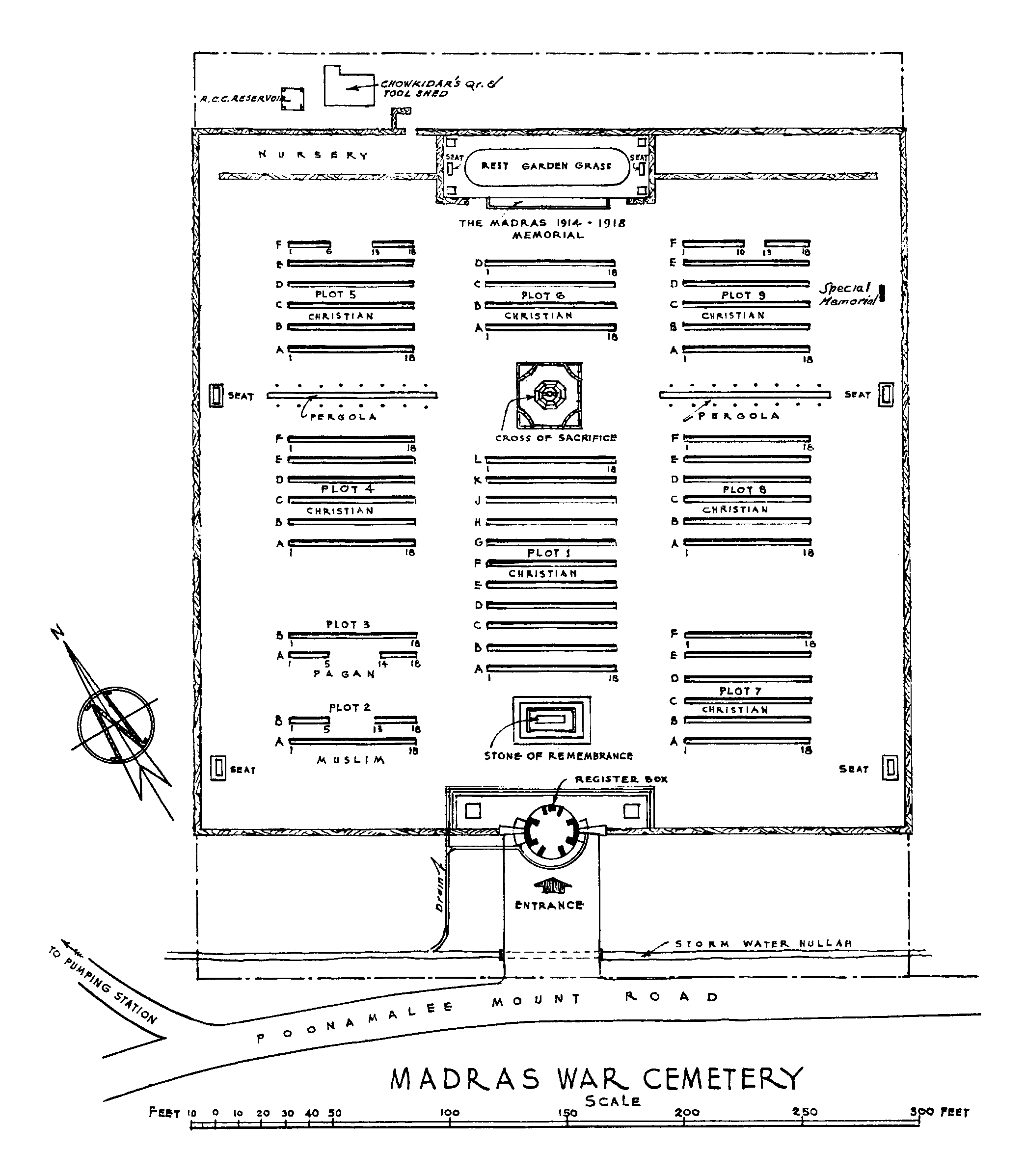
The MADRAS 1914-1918 MEMORIAL is situated at the rear of the cemetery. It bears the names of more than 1,000 servicemen who died during the First World War who lie in many civil and cantonment cemeteries in various parts of India where it is not possible to maintain their graves in perpetuity.