


The Somme 110 – Our Work Continues For Evermore
2026 marks the 110th anniversary of the Battle of the Somme, one of the most infamous campaigns of the First World War, the Battle of the Somme drew in millions of men on both sides, resulting in hundreds of thousands of casualties, including over 150,000 Commonwealth war dead.
The First Day of the Somme, 1 July 1916, remains the single worst day in British military history. Over 57,000 casualties were taken by the British Army and Newfoundland troops on the first day, with more than 18,500 killed. This is still the largest loss of life experienced by the British Army on a single day.
Find out more about the Battle of the Somme
Today, CWGC Somme cemeteries, memorials, and war graves on the Somme remind us of the sheer scale of loss of the battle. It’s our ongoing mission to maintain, care for, and protect these places, so the memories, lives, and stories of those lost are never forgotten.
Here, you can explore stories of those who fell on the Somme, learn more about our work caring for Somme cemeteries and memorials.
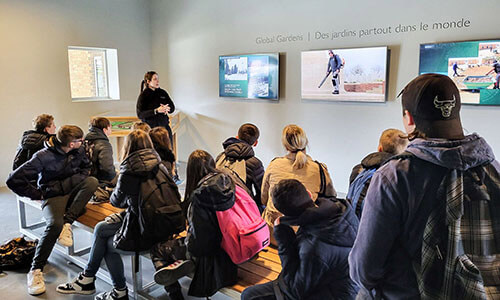
Visit the CWGC in France
Discover our Visitor Centre in Beaurains, Arras, and find out what it takes to commemorate the 1.7million fallen of the world wars.
Read the stories of the fallen of the Somme
Discover the stories of the Commonwealth servicemen who died during the battles of the Somme. Learn more about their lives and service during the First World War.
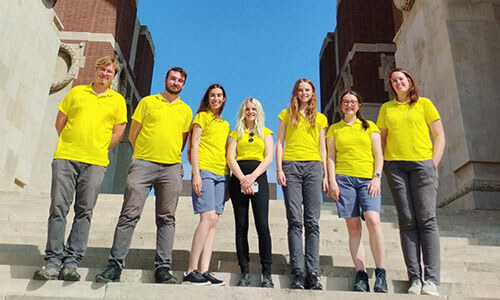
Support our work
By supporting the Commonwealth War Graves Foundation, you can help us pass on the stories of those who died in the world wars to the next generation. Find out how your support helps us keep their stories alive.
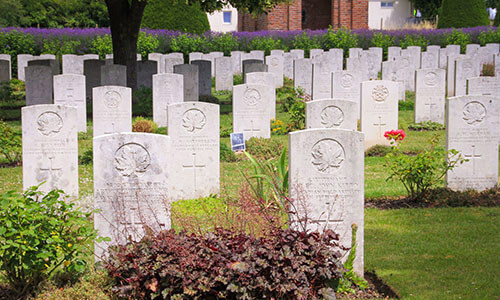
Find a casualty of the Somme
Our Casualty Search tool helps you explore our database of war dead from both world wars. Start your research journey today.
Why the Somme Still Matters Today
Now, over a century since the Battle of the Somme ended, the campaign still resonates.
More than a date in 1916
The Battle of the Somme was a major moment, not just for Britain and Ireland, but for the wider Commonwealth. Australian, Canadian, Indian, New Zealand, Newfoundland, and South African forces were all part of the battle.
Today, CWGC Somme cemeteries and memorials show the Somme still matters. These commemorative spaces are indelibly linked to the Somme landscape, reminding us of the scale of loss, as well as our ongoing mission to care for and maintain these places.
Why commemoration does not end with living memory
Those who fought on the Somme have long passed from living memory, but that does not mean their commemoration has ended.
Somme commemoration today takes the form of the careful maintenance of headstones, memorials, and horticulture; it’s the sharing of stories of the Commonwealth’s Somme war dead; it’s the ongoing recovery and identification of missing Somme soldiers.
The Somme still matters as our work hasn’t stopped.
What the Somme asks of us today
First World War commemoration and the Battle of the Somme ask us to remember and commemorate those lost in one of the most infamous battles of the Great War.
For us, commemoration is an ongoing mission, one we have maintained since our founding in 1917.
But it also invites you to discover the people we commemorate, to uncover their stories, to learn from their tragic loss, and to explore the cemeteries and memorials that commemorate them.
As long as people engage, research and learn about the Battle of the Somme, then it will continue to matter.
For Evermore: Stories from the Somme
We can help you discover more about the fallen of the Battle of the Somme beyond names carved in headstones and etched on memorial name panels.
For Evermore: Stories of the Fallen – Our Online Stories Archive
Since 2023, For Evermore: Stories of the Fallen has collated your stories of those we commemorate to create a single, searchable repository that honours the memory of the men and women across the Commonwealth who lost their lives during the world wars and ensures that these stories are available for the generations to come.
Stories from Across the Somme
The Somme drew in troops from across the major Commonwealth nations, from Indian cavalrymen to South African labourers and frontline units, British and Irish infantry and artillery, the ANZACs, Newfoundlanders and Canadians.
You can explore stories from across the Somme on For Evermore.
We have set up a special Battles of the Somme story theme to help you reach, read and remember stories of Commonwealth soldiers who died in this campaign.
Explore stories from the Battle of the Somme
From a name to a story
All Commonwealth servicemen who died on the Somme were real, living, breathing people. Each had their own experiences, hopes, dreams and fears. They were someone’s brother, their father, their son, their uncle, their cousin.
For Evermore allows us to remember them as they were, from young, promising composers cut down before they could reach their potential, former sports stars, artists and poets, to experienced veterans who sadly met their end in Northern France.
These men were more than just names on a memorial or carved into a headstone. Browse Somme stories on For Evermore today to learn about the real people behind the names.
How you can participate
The names in our records are just the starting point. From here, using resources like the National Archive, newspapers, and military records, you can begin to put together a picture of the serviceman behind the name.
We invite you to share your stories of Somme casualties on For Evermore, so we may collate and preserve them for future generations to discover, learn, and remember.
Got a story to share? Upload it and preserve their memory for generations to come.
Share and read storiesThe Commonwealth on the Somme
We often think of the Somme as a purely British battle, but this isn’t the case. From mid-July 1916 onwards, Commonwealth forces were brought onto the Somme en masse, marking the debut on the Western Front of the ANZACs. To understand how the battle began, read the about the first day of the Somme, told through six lives.
Britain on the Somme
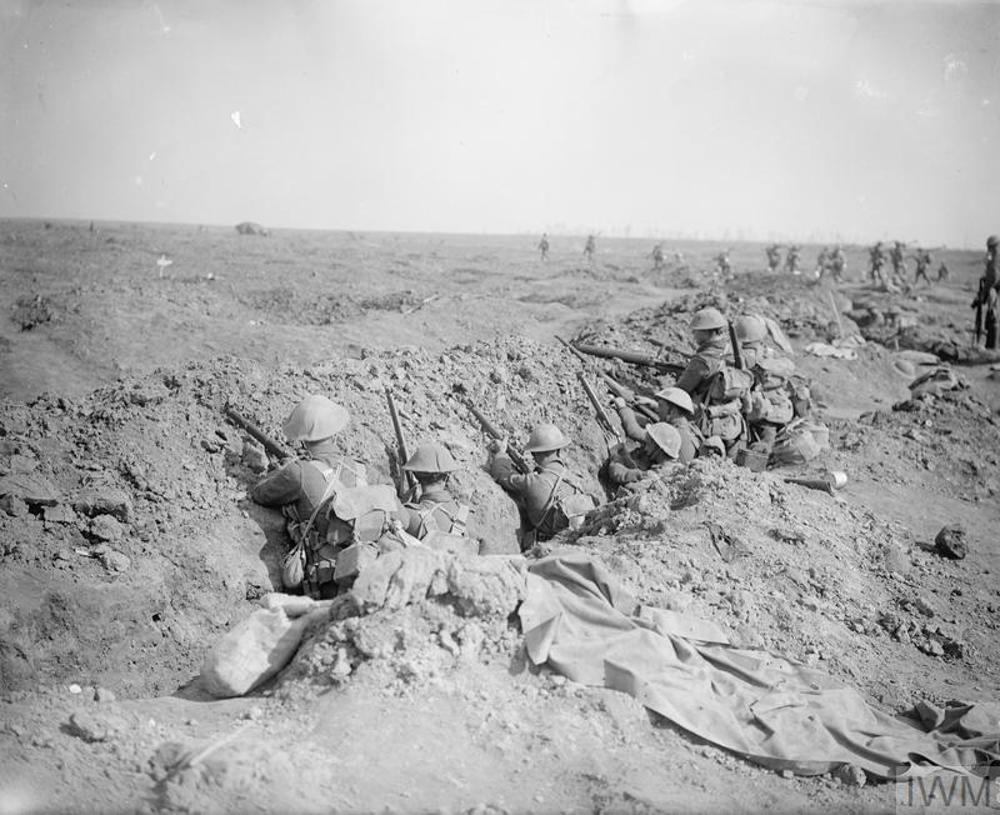
IWM (Q 4511)
British regiments were involved in the Somme Campaign from the first day to the last. As mentioned above, the First Day of the Somme remains the worst day in British military history, and the campaign holds a unique place in the British psyche to this day.
The Somme marked the first time many of the “Pals Battalions”, units drawn from local communities, particularly Northern English cities, towns and villages, went into action for the first time.
Although enthusiastic, the inexperienced troops were thrown into one of the war's toughest battles. The loss of so many men, with entire streets losing their young men in one go, was keenly felt throughout the UK.
The cemeteries and memorials of the Somme, such as the Thiepval Memorial to the Missing, Devonshire Trench and hundreds of others, showcase this loss.
But the British experience on the Somme doesn’t tell the whole story. It was very much a Commonwealth battle.
Australia on the Somme
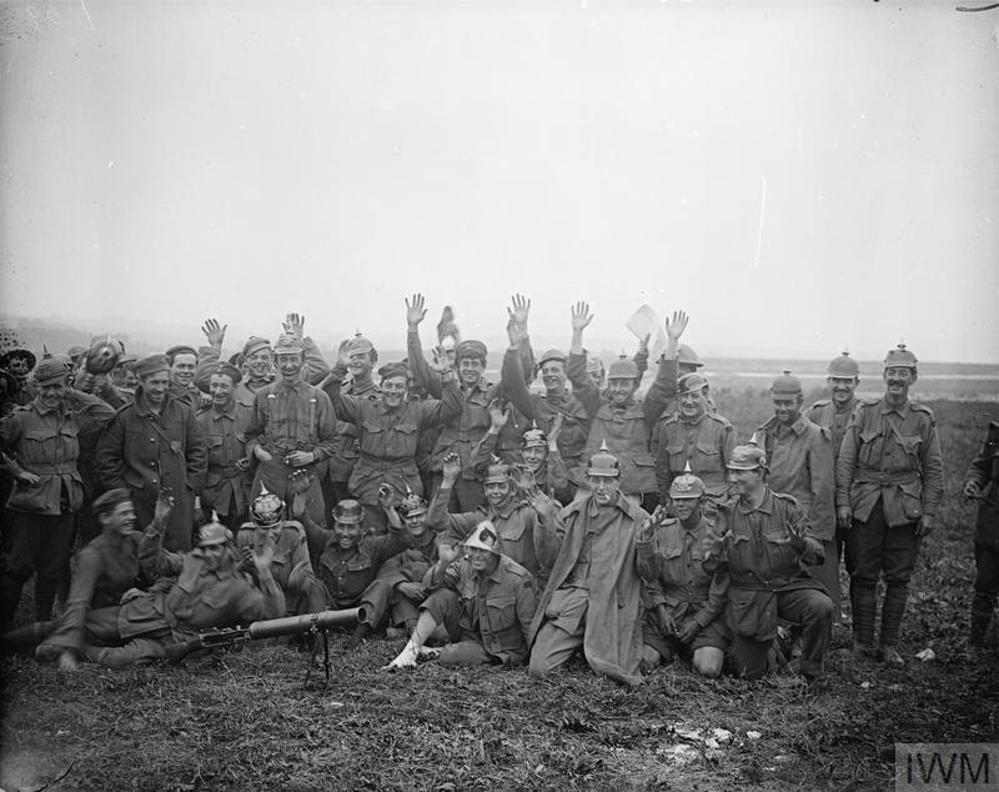
IWM (Q 4039)
Australian forces played an important role in the Battle of the Somme’s middle phase, but paid a heavy price for their participation.
From mid-July to September 1916, the Australians were in action across the central Somme sector. At Fromelles between 19-20 July, the 5th Australian Division suffered 5,500 casualties, killed, missing or wounded, in 24 hours, making it the darkest day in Australia’s military history.
Between 23 July and early September, the 1st, 3rd and 4th Australian Divisions were in action at Pozieres, undertaking 19 attacks in 42 days to take strategically important high ground. Intense fighting continued here as they pushed on to take fortified German positions around Mouquet Farm.
All told, the Australians on the Somme took over 23,000 casualties in just six weeks, outstripping Australian losses at Gallipoli.
Today, places like Pozieres British Cemetery, Mouquet Farm, and the Villers-Bretonneux (Australian) National Memorial commemorate missing and dead Australian Somme casualties.
Canada on the Somme
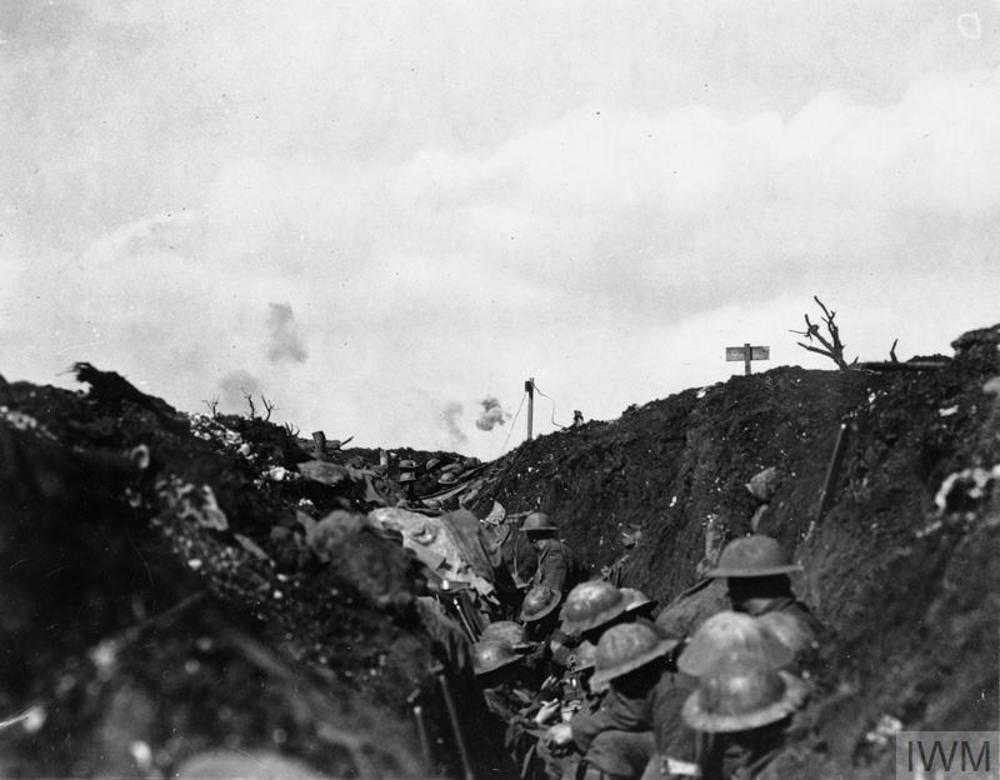
IWM (CO 802)
The four divisions of the Canadian Corps arrived on the Somme in September 1916, taking over from the devastated Australians at Pozieres. They were thrown into action at Flers-Courcelette, capturing Courcelette village, alongside other British and Commonwealth units.
After Courcelette, the Canadians were tasked with capturing the heavily fortified German positions around Regina Trench, northwest of Courcelette. Across a gruelling, two-month action in appalling weather and thick mud, the Canadians took their objectives.
The cost was high. In a scant two months, the Canadian Corps took 24,000 casualties. Today, these men are commemorated at sites like Adanac, Regina Trench, and Courcelette war cemeteries. Missing Canadian servicemen are commemorated on the Vimy Memorial.
New Zealand on the Somme
IWM (Q 194)
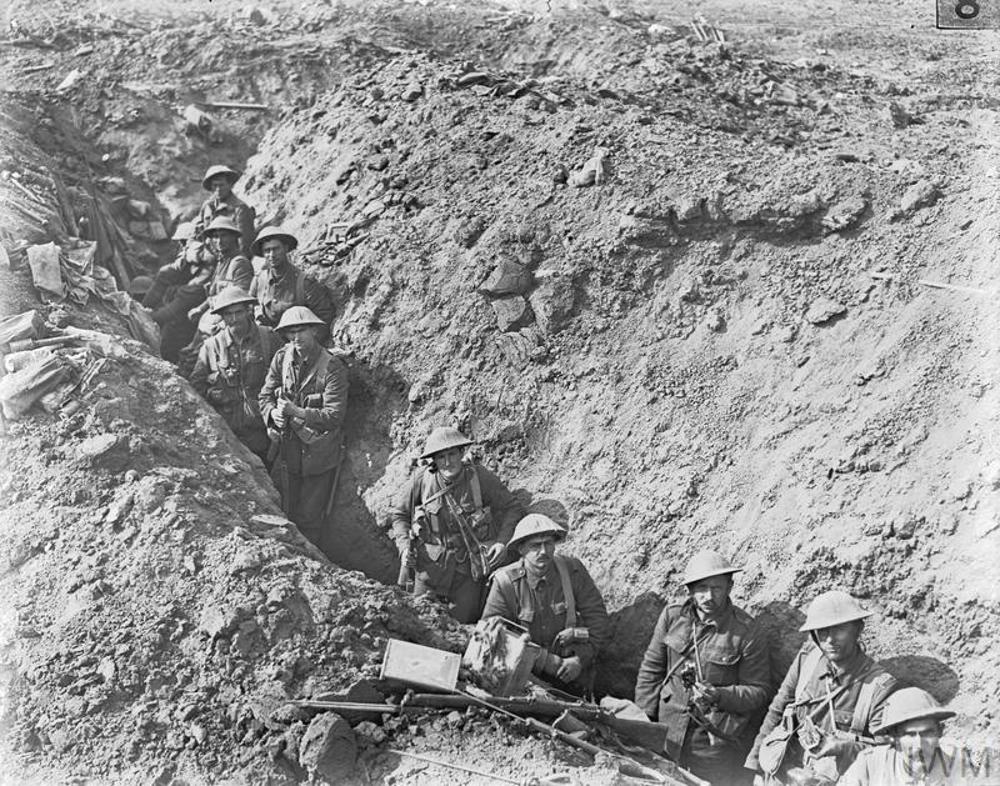
The New Zealand Division joined the Battle of the Somme in mid-September in the third phase of the battle.
Across 45 days, at actions like Flers-Courcelette, Switch Trench, Longueval, and Delville Wood, the New Zealanders suffered 2,100 dead or missing and 6,700 total casualties. This is equivalent to their losses in the eight-month Gallipoli campaign.
New Zealanders are commemorated across the Somme at sites like Delville Wood Cemetery or the Caterpillar Valley (New Zealand) Memorial.
Newfoundland on the Somme
Veterans Affairs, Canada
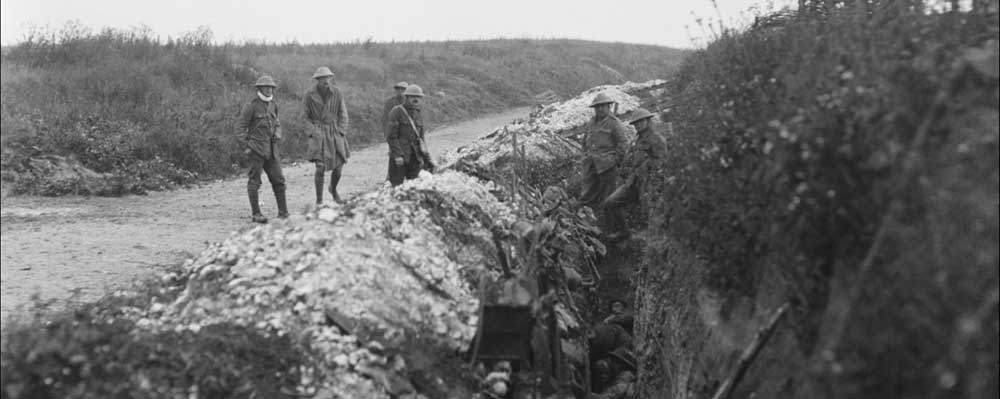
The 1st Battalion, Royal Newfoundland Regiment, went into action on the 1st Day of the Somme at Beaumont Hamel.
Facing a deadly fusillade of German machine-gun and artillery fire, the Newfoundlanders were cut down as they advanced on the hot summer’s day.
801 Newfoundlanders went into battle that day. The roll call the next day made for grim reading. 223 officers and enlisted men had been killed, 386 wounded, and a further 91 were missing. No unit suffered as heavily as the Royal Newfoundland Regiment on the Somme’s opening day.
The shell-marked landscape of Newfoundland Memorial Park still bears the scars of the battle, and is home the Beaumont-Hamel Newfoundland Memorial, commemorating Newfoundland’s war dead of the First World War.
India on the Somme
IWM (Q 824)
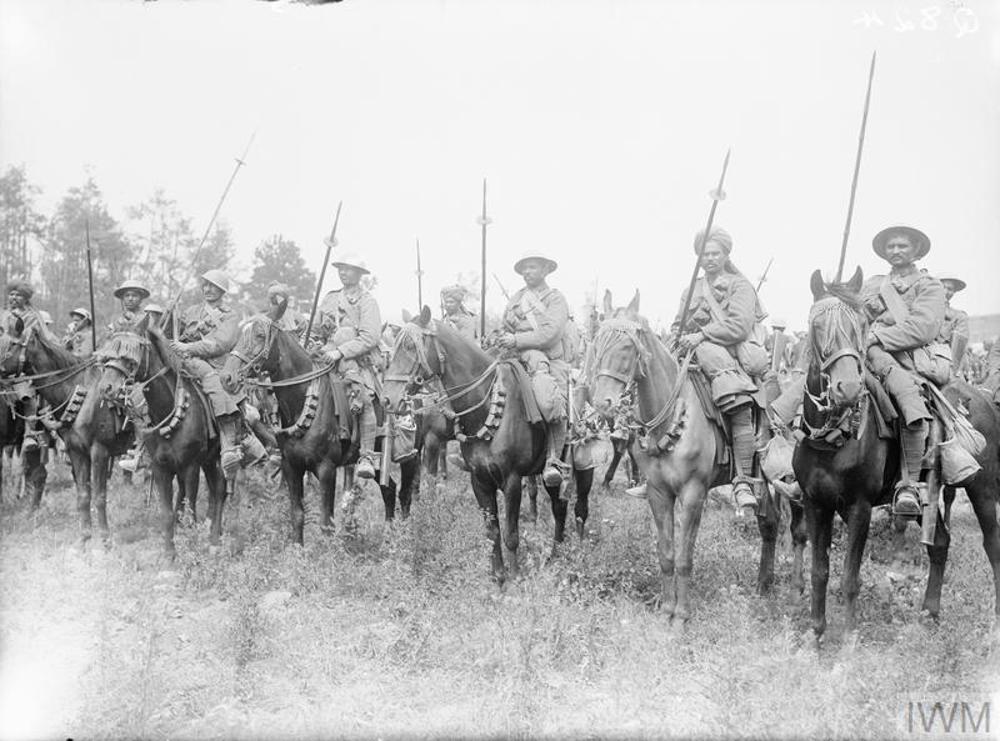
The bulk of the Indian Army had been moved to the Middle East and other military theatres before the Battle of the Somme, but Indian Cavalry was present at key engagements.
The Secunderabad Cavalry Brigade, including the 20th Deccan Horse, was attached to the British Fourth Army. On July 15, they advanced between High Wood and Delville Wood to support the infantry but faced intense machine-gun and shrapnel fire.
Poor communication and intense German machine-gun fire halted the charge, but the Indian cavalrymen were noted for their bravery and discipline in the face of overwhelming enemy fire.
The Neuve-Chapelle Memorial, India’s national memorial on the Western Front, commemorates missing Indian casualties from the Battle of the Somme. Those with known war graves are buried and commemorated in cemeteries such as Bray Cemetery, Gordon Dump Cemetery, and more CWGC locations throughout the region.
South Africa on the Somme
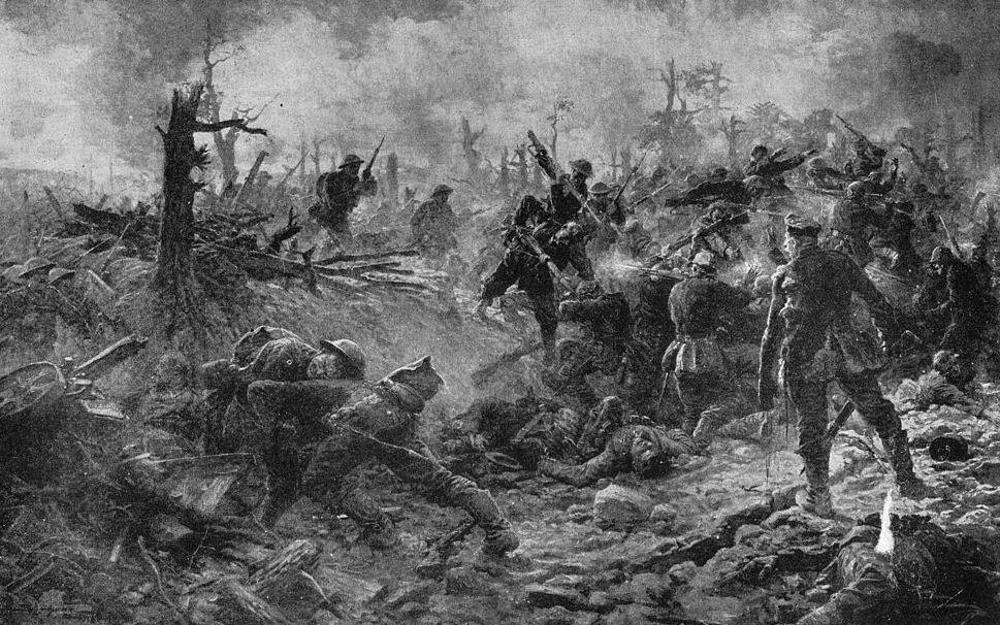
South Africa on the Somme is primarily associated with the Battle of Delville Wood.
It was here on 15 July that the 3,150-strong South African Infantry Brigade entered the wood, aiming to capture and hold the strategically important ground. For six days, the South Africans endured a harrowing barrage of up to 400 shells per minute and determined German counterattacks until they were relieved.
Of the 3,150 South African officers and enlisted men who entered Delville Wood, just 750 came out.
Today, the South African (Delville Wood) National Memorial stands marking this battle and commemorating South Africa’s experience on the Western Front, including members of the South African Native Labour Corps.
The Somme Sites: Places of Commemoration and Reflection
There are over 371 CWGC locations on the Somme commemorating First World War war dead, ranging from individual war graves in local cemeteries and churchyards, to our built war cemeteries and war memorials.
Discover Somme cemeteries & memorials
The Sites that shape the Somme Landscape
Here are some of the most significant Somme sites for you to explore for a better understanding of what Somme commemoration looks like, and to go beyond these sites to learn more about the people they commemorate.
Where are the war dead of the Somme commemorated?
Thiepval Memorial to the Missing of the Somme
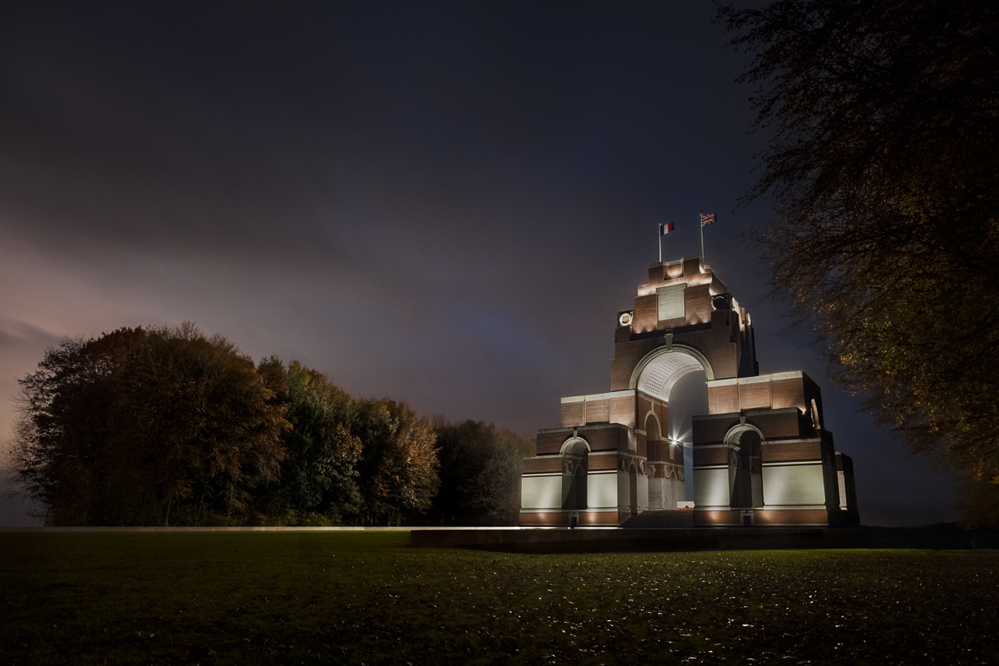
The Thiepval Memorial to the Missing of the Somme is our largest war memorial in the world.
Upon its monumental name panels are inscribed over 72,000 British and South African officers and enlisted men of the Somme who have no known war grave.
This moving memorial showcases the sheer loss of life the Commonwealth experienced on the Somme and the devastation of the battle. In a campaign that saw the loss of some 150,000 Commonwealth servicemen, the fact that nearly half are still missing is humbling.
To the back of the Thiepval site sits Thiepval Anglo-French Cemetery, where French and British burials of the First World War lie side by side, a reminder of the close cooperation between the French and British Empires during the war and our shared loss.
Lochnagar Crater
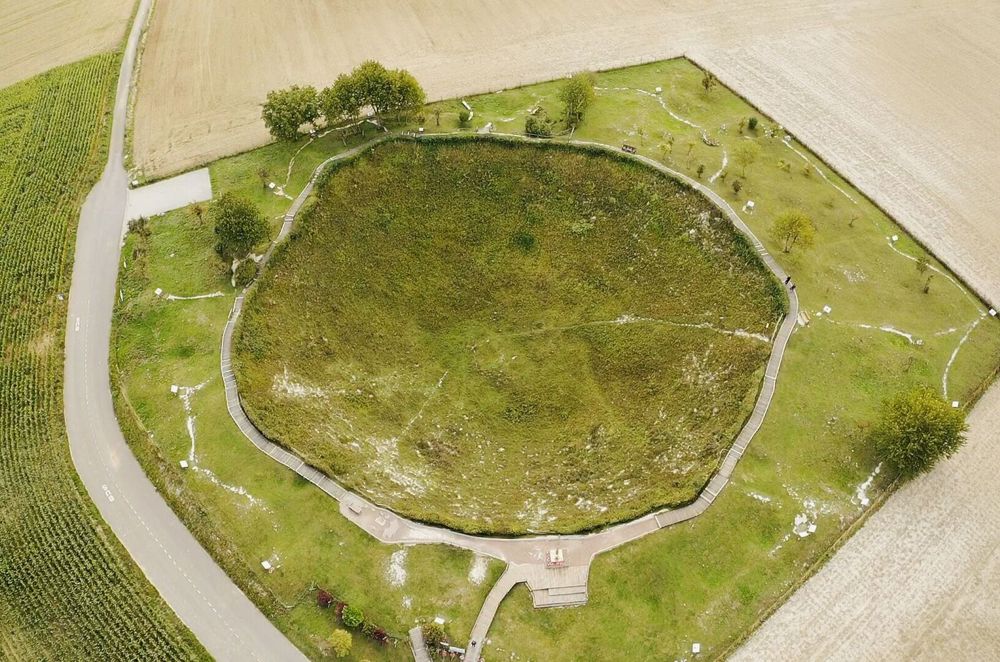
While not a CWGC site, Lochnagar Crater is one of the largest physical reminders of the Battle of the Somme still visible in the landscape today.
On 1 July 1916, at 7.28 am, two minutes before zero hour, the Lochnagar Mine went up, sending debris 4,000 feet in the air. This was one of 19 mines created to aid the attack on the First Day of the Somme.
The Lochnagar Mine blasted a crater 70 feet deep and 330 feet wide. British troops poured into the crater, but were unable to hold it due to German shelling, machine-gun fire, and counterattacks.
Despite the devastation, the British were still cut down at Lochnagar.
Purchased by a private owner in the mid-70s, the Lochnagar Crater is a symbol of the destruction on the Somme. Dotted around the craters edge are 20 signs, known as the “Lochnagar Labyrinth”, relaying stories of soldiers killed here.
Lochnagar sits near several CWGC cemeteries, including La Boisselle Communal Cemetery Extension, Ovillers Military Cemetery, and Dantzig Alley British Cemetery.
South Africa (Delville Wood) National Memorial
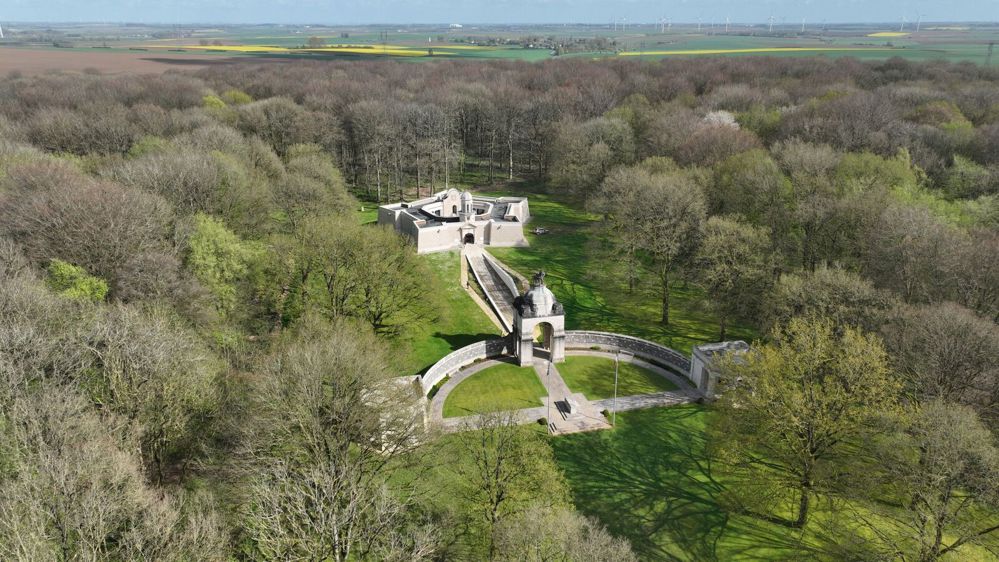
Funded by public subscription, the Memorial was erected in 1926 to mark the South Africans’ experience at Delville Wood and the stand as a memorial to its wider experience on the Western Front.
Originally, no names were included on the memorial, as it stood as a symbol of South African sacrifice at Delville Wood, but a memorial wall was added in 2016, bearing the names of South African Native Labour Corps support troops who died on the Western Front.
The South African Delville Wood Commemorative Museum stands close to the memorial, providing deeper insights in the South African’s experiences on the Somme and wider Western Front.
Today, the Delville Wood site is a wider memorial complex, containing Delville Wood Cemetery and the South African (Delville Wood) National Memorial, and the now thriving woodland itself.
Beaumont-Hamel (Newfoundland) Memorial
Today, the preserved trenches of Newfoundland Memorial Park and scarred landscape remind us of the intensity of the Newfoundlanders’ attack. The ground remains pitted and gouged, showing the brutal landscape of the Somme.
The Beaumont Hamel Memorial, topped with a bronzed caribou representing Newfoundland, today commemorates Newfoundland’s fallen of the First World War, including those cut down on the Somme’s first day.
The wider Newfoundland Memorial Park also contains other CWGC sites, including:
- Y Ravine Cemetery
- Hawthorn Ridge Cemetery No.2
- Hunter’s Cemetery
Pozieres British Cemetery
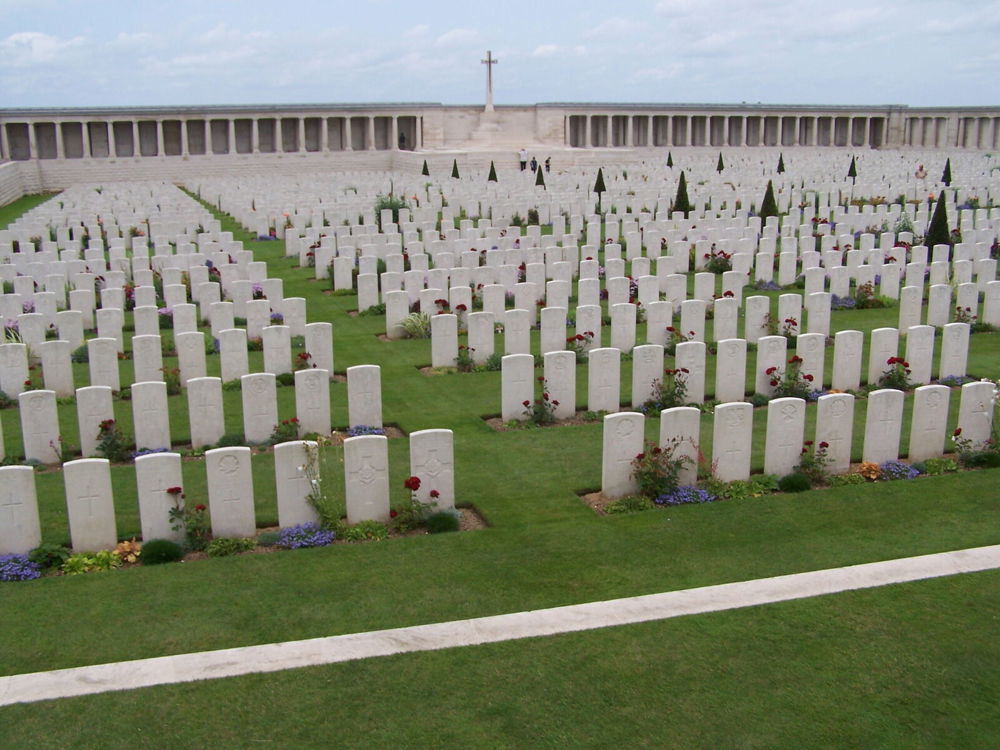
Pozieres British Cemetery is predominantly a British cemetery, but the cemetery also contains Australian and Canadian burials of the Somme.
2,700 servicemen, Australian, Canadian and British are commemorated at Pozieres British Cemetery. Over 1,300 are unidentified.
Other major cemeteries commemorating Australia’s war dead of the Somme include V.C. Corner Cemetery and Fromelles (Pheasant Wood) Military Cemetery around Fromelles.
Fromelles was an important battleground for the Australian Imperial Force, which sustained heavy casualties campaigning there. Together, these two sites commemorate over 1,200 Australian War Dead of the Somme.
Serre Road Cemeteries
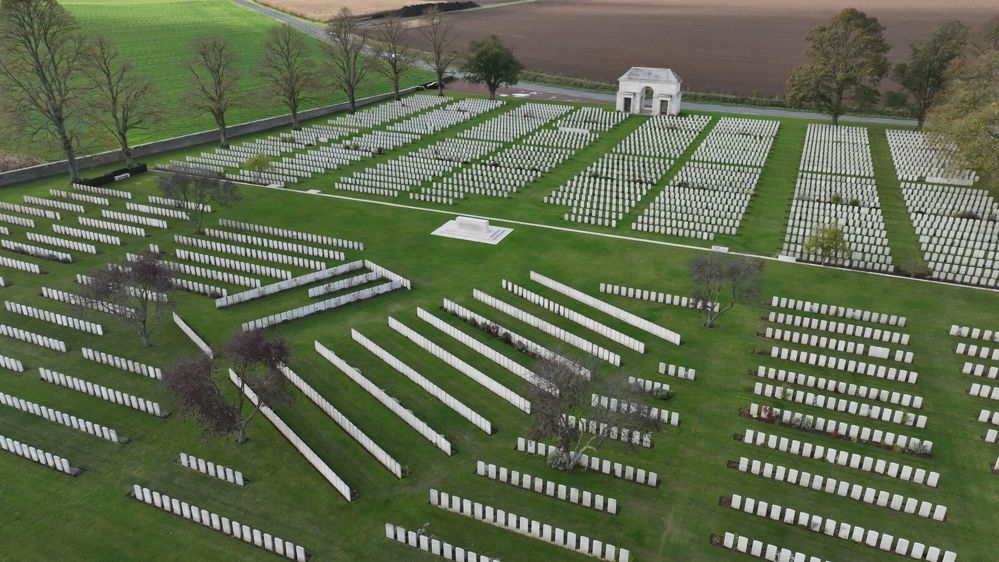
The Serre Road was the site of vicious fighting at the beginning of the Battle of the Somme and the campaign’s final days.
Today, two of our largest French First World War cemeteries lie along the road, commemorating a mixture of British, Australian, Canadian, and New Zealand servicemen killed during the Somme Campaign.
Representing the carnage of the Somme, and subsequent actions, the bulk of the burials in both Serre Road No.1 and Serre Road No.2 are unidentified. For example, there are over 2,425 burials at Serre Road No.1, but only around 700 are identified.
At Serre Road No.2, the contrast is far starker. 2,195 burials are identified servicemen. Nearly 5,000 are not.
Serre Road No.3 is much smaller than the other cemeteries along the road and holds burials dating after November 1916 and the Battle of the Somme.
Adanac Canadian Cemetery
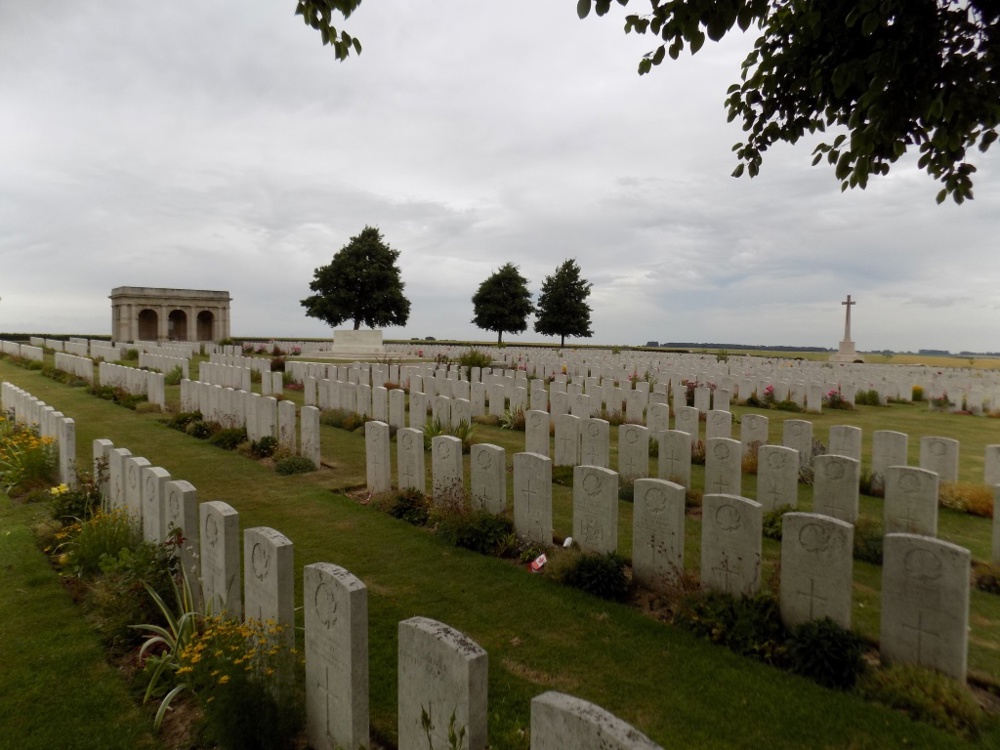
Over 550 identified Canadians are buried at Adanac Canadian Cemetery, Miraumont, representing about a third of the total servicemen buried here.
Adanac was made after the war, taking in graves from the Courcelette sector, including Canadian, Australian, New Zealand and British casualties. Over 3,000 servicemen are buried here in total.
Other important Canadian cemeteries on the Somme include Courcelette Cemetery, where over 400 identified Canadian burials of the Somme are located, and Regina Trench Cemetery. Regina Trench is home to 373 identified Canadian burials of the Somme.
Caterpillar Valley Cemetery
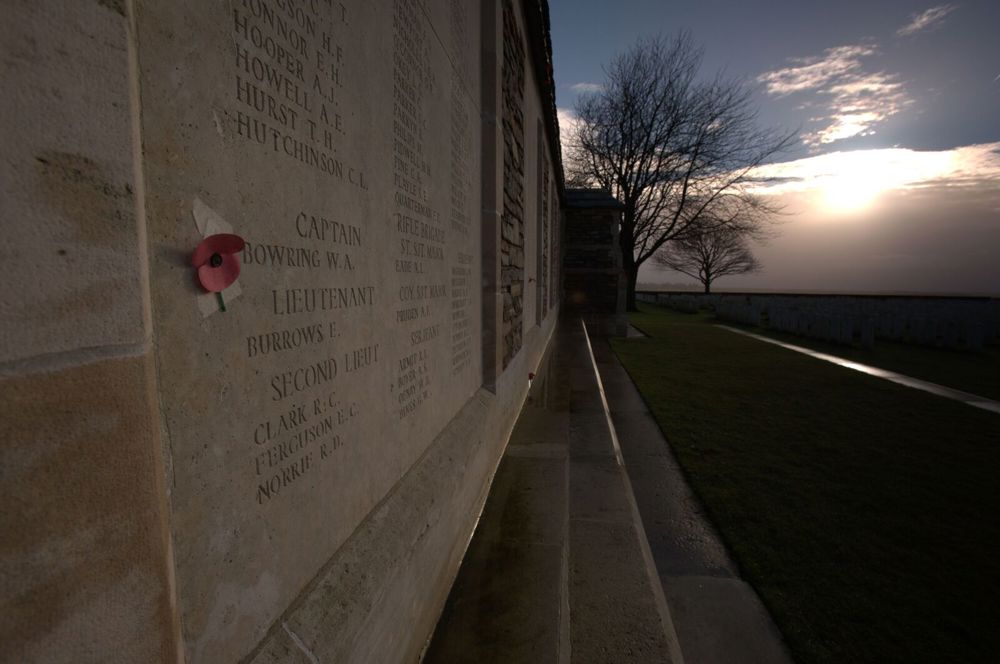
Caterpillar Valley Cemetery sits in the heart of the battlefield where much of the fighting between July and September 1916 took place. From it, you can cast your gaze over the Somme front, spotting iconic locations like Delville and High Wood, as well as many other CWGC cemeteries.
Caterpillar Valley is the second-largest cemetery on the Somme, with over 5,500 graves. Nearly 3,800 of these are unidentified.
Within the cemetery sits the Caterpillar Valley (New Zealand) Memorial, commemorating 1,200 members of the New Zealand forces who died on the Somme with no known grave.
Visit the Somme: A visitor’s guide
The former Somme battlefields cover an area of around 20 miles long and roughly six miles deep. Much of the fighting took place in the Picardy region of Northern France, mostly in the Somme department, but some parts of the line reached into the Pas de Calais.
Compact, yet rich with memory and meaning, most of the major Somme sites are located within a 20-minute drive of each other. Multiple walking and cycling routes exist too, making it easy to navigate. The below map incudes a selection of CWGC Somme sites, as well as other attractions and sites related to the wider battle, including French and German cemeteries and our Visitor Centre near the Somme battlefields.
Each CWGC Somme cemetery and memorial page contains a map of each site’s location, as well as directions on how to find it. If you have an individual cemetery or memorial, or a group of memorials you wish to visit, use our Find Cemeteries & Memorials tool to discover them.
The Circuit of Remembrance
The Circuit of Remembrance (Circuit du Souvenir), also known as the Remembrance Trail, is a signposted, 40-mile driving, walking, and cycling route through the former Somme battlefields.
It passes through many important 1916 locations that help tell the Battle of the Somme story and the people who fought here.
Key stops on the Circuit of Remembrance include:
- Albert – An important hub of early fighting on the Somme, including the British disastrous first day attacks, Albert is rich in World War history
- La Boiselle – Home to the immense Lochnagar Crater, blown by the Royal Engineers on 1 July 1916
- Thiepval – Site of immense fighting across Thiepval Ridge and now site of Commonwealth War Graves' largest war memorial, the Thiepval Memorial to the Missing of the Somme
- Beaumont-Hamel – The site where the Newfoundlanders charged into battle, you will find some of the best-preserved trenches on the Somme at Beaumont-Hamel
- Rancourt – Rancourt houses the French National Cemetery, a German military cemetery, and the small Rancourt Military Cemetery
- Péronne - Within the Château de Péronne sits the Museum of the Great War (Historial de la Grande Guerre), dedicated to a balanced history of the war, showcasing French, British, and German perspectives
The Circuit of Remembrance is clearly signposted with driving, cycling, and walking routes all available. Visit the Somme Tourism website for more information.

Want more stories like this delivered directly to your inbox? Sign up for our newsletter for regular updates on the work of Commonwealth War Graves, blogs, event news, and more.
Sign UpOur Work Continues: How CWGC cares for sites on the Somme
Since the end of the World Wars, our work has never stopped. To this day, and for evermore, we will care for the final resting places of the Commonwealth’s war dead.
Caring for Somme sites today
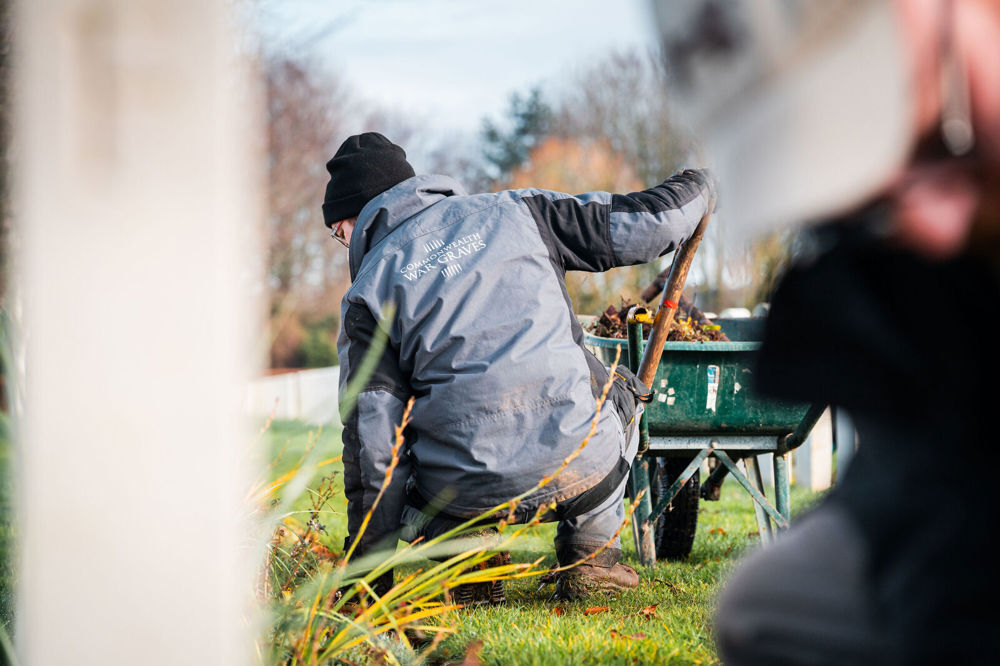
CWGC sites are known for the beautifully maintained horticulture, architecture and headstones, resulting in places rich in memory and meaning, but also spaces which delight and inspire.
Horticulture has always played a key role at our cemeteries and memorials, evoking the look and feel of English country gardens. But no two CWGC war cemeteries are the same. Each has its own unique layout, its own horticultural highlights, and its own feel.
One thing that links them is the care our Horticulture and Maintenance teams put into caring for each of our Somme cemeteries and memorials.
Having safeguarded these sites for close to or over a century, depending on the location, our attention has shifted to sustainability. Caring for the commemorative sites of the Somme is our ongoing mission, so sustainability is interwoven into our care.
We have experimented with new border planting regimes, letting lawns grow longer, and not removing previously undesirable species, such as daisies, to encourage biodiversity and healthy plant life at select Somme sites, such as Gordon Dump Cemetery.
Elsewhere, the 39,000 Trees programme, aiming to plant 39,000 trees around our sites worldwide, will be rolled out to the Somme, including plantings at Regina Trench cemetery.
These measures ensure thriving, healthy plant life, protect local wildlife, and provide shade and shelter for visitors.
In terms of maintenance and care for headstones, masonry, and metalwork, we turn to our expert teams of skilled craftsmen. Specialists in conservation and restoration, they work tirelessly to ensure our headstones are legible, names can still be read on memorial panels, and ironmongery and metalwork are well maintained.
Conservation on the Somme is key. Where possible, we look to repair any damage or wear and tear, rather than wholesale replacement of panels or headstones. We aim to recycle as much material as possible, too.
Through this rigorous regime of inspections and ongoing care and proactive maintenance, our Somme sites will remain peaceful, stunning places of commemoration.
CWGC Apps
Our apps provide visitor information and directions to help you plan a visit to the Somme. Download them for free today to learn more about our sites across the Somme, where they’re located, and selected virtual tours of key Somme cemeteries and Memorials.
The CWGC Visitor Centre
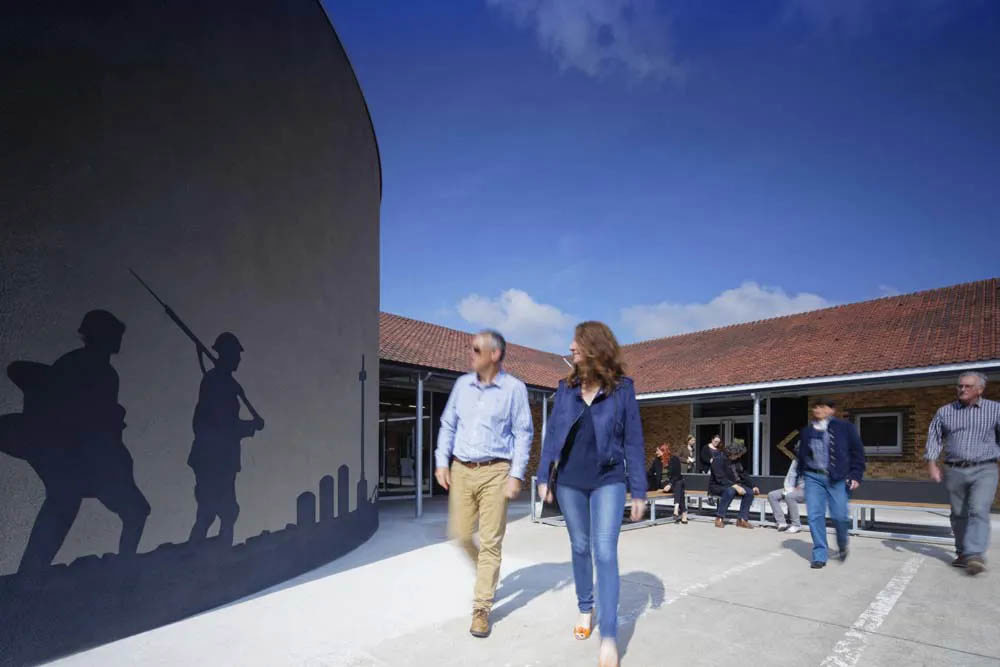
The CWGC Visitor Centre, located an hour away from the Somme Battlefields in Beaurains, lets you go behind the scenes of the remarkable work we undertake to maintain British and Commonwealth cemeteries and memorials around the world.
This is your chance to see the inner workings of one of the world’s foremost commemoration organisations.
Check out our free audio tour for individual visitors, an in-depth guide to every aspect of our work: from how we still recover and rebury the dead of the World Wars, to our highly skilled craftsmen’s vital role in maintaining and caring for the most impressive and recognisable war cemeteries and memorials worldwide.
Please note: advanced booking is required to tour the Beaurains Visitor Centre.
Discover the CWGC Visitor Centre
Support story-led commemoration of the Somme
Inspired by the stories of the servicemen of the Somme? Want to help us keep alive for evermore? Support the Commonwealth War Graves Foundation and help us keep their stories alive.
The Commonwealth War Graves Foundation
The Commonwealth War Graves Foundation (CWGF) aims to engage and educate people, especially the young, with the work of the CWGC and the inspiring stories of the men and women who died fighting on the Somme and the wider World Wars.
Through our UK and international outreach and education programmes, we reach thousands of people across schools, universities, businesses, and other organisations: all spreading the message on our work and sharing the stories of those we commemorate.
Want to help us keep their stories alive? Become a CWGF member for just £3 a month or donate to support the Commonwealth War Graves Foundation and help us share every story, for evermore.
Support our work and help honour the 1.7 million who never returned home
Explore more: Beyond the Somme


