

17 June 2026
Teacher’s Guide to the Somme: Classroom Resources and Visit Planning
As the world wars fade from living memory, educating younger generations on the experiences and sacrifices of those who fought and fell in these world-changing conflicts has taken on new importance.
The First World War and the Battle of the Somme are massive moments in British history. In schools across the UK, students of various ages will study the Somme, taking in its significance and impact.
At the Commonwealth War Graves Commission, we have created several learning resources to aid educators in teaching the Battle of the Somme.
But learning about the Battle of the Somme does not stop in the classroom. Visits to the former battlefields and Commonwealth War Graves Commission cemeteries and memorials are powerful educational experiences too.
Discover how to use the Commonwealth War Graves Somme teaching aids and visit planning tips in this handy teacher’s guide.
At a glance: What's on this Page
This page is a guide to CWGC's education resources focused on the Battle of the Somme. It covers:
- Why teaching the Battle of the Somme is still important
- How Commonwealth War Grave's education resources can help plan and support in-classroom Somme teaching
- Resources to help you plan field trips and visits to Somme sites
- Other CWGC resources
- Ways to get in touch with Commonwealth War Graves regarding our education resources
Why is teaching the Battle of the Somme still important?
Education and the Battle of the Somme

Every year, thousands of school children visit the former battlefields of the Somme in France as part of an organised educational visit. Many more will study the battle in the classroom. 110 years after it was fought, it is a battle which still warrants study and investigation today, not least because of the impact it had, both then and in the years which would follow.
Fought between July and November 1916, the battle resulted in more than a million casualties on all sides. There is barely a war memorial in the towns and villages across Australia, Canada, New Zealand, South Africa and the United Kingdom which does not include a name of someone who died ‘on the Somme’.
For this fact alone, the Battle of the Somme is still relevant and worth studying, if only to understand the far-reaching impact of the battle on communities across the former British Empire and beyond.
How is the Battle of the Somme taught?
The Battle of the Somme appears on many educational curricula at various stages within schools.
Whether the focus is on the events of 1916, ‘Pals’ battalions, or the evolution of technology and tactics, an investigation into the conduct of General Haig or a look at the role of troops from across an Empire, the Somme almost always appears as part of any programme of study for those studying the First World War.
How Commonwealth War Graves Commission education resources can help Teach the Battle of the Somme
We have developed a range of resources to support those studying the Battle of the Somme, whether it be in the classroom or on a visit to the former battlefields of the First World War.
Discover CWGC learning resources
Somme classroom resources
We have two classroom resources which have been developed to support those studying the Battle of the Somme.
The Battle of the Somme – a classroom enquiry
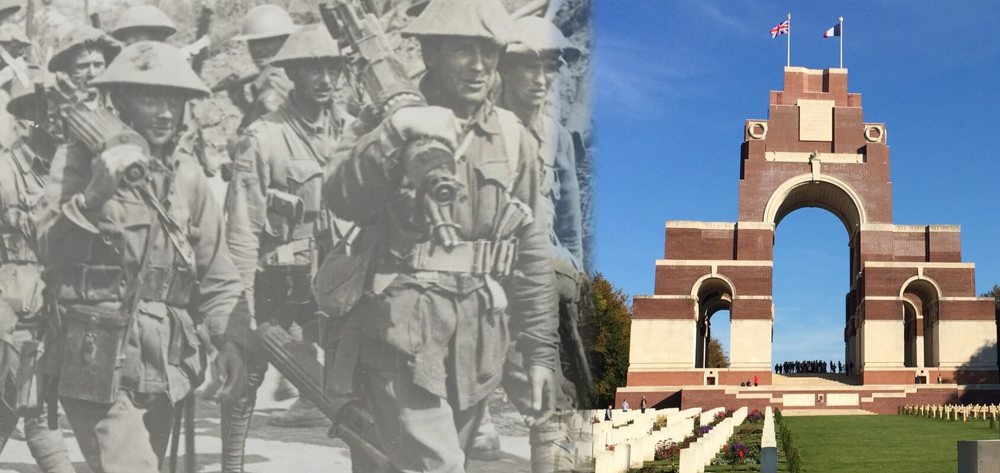
This classroom enquiry looks at how and why we should remember the Battle of the Somme today. The enquiry encourages students to investigate the following:
- The battle and its impact on local communities
- The development of military strategy
- The contribution of troops from across the British Empire
- Historical interpretations and how and why the battle should be remembered
This resource is designed for those aged 13-15 years old.
One Day in a World War – Saturday 16th September 1916
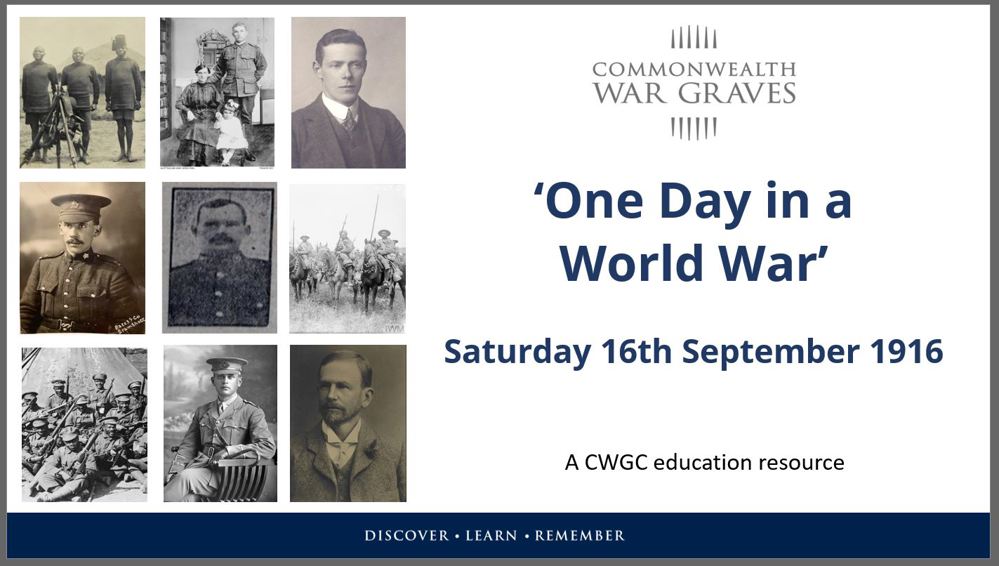
This teaching resource encourages young people to explore the extent to which the First World War was a ‘world war’ following an enquiry-based approach. It uses information and data from the CWGC’s records to examine the personal stories of those who died on a single day in 1916 across the globe.
Primarily aimed at students aged 11-14, the information could be used by any age group interested in exploring the stories behind those who died during this key period in the First World War. It provides a broader interpretation of the context in which the Battle of the Somme was being fought in 1916.
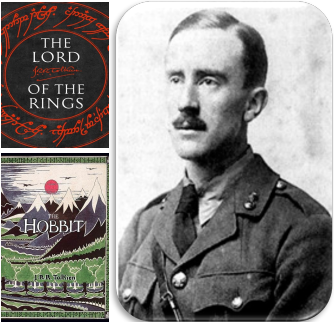 Tolkien and the Battle of the Somme
To commemorate the 110th anniversary of the Battle of the Somme, this new resource covers JRR Tolkien's experience of the Somme and the effect on his subsequent writing. Specifically designed to be delivered in one lesson and adaptable to any age or stage, but probably most suited to ages 10-14, this offers an exploration of a little known part of Tolkien's life to students who will best know him through his books. Discover a range of History and English activities and lots of extension possibilities.
Exploring stories from the Somme with For Evermore
One Day in a World War is built on individual stories of people commemorated by the Commonwealth War Graves Commission. If you are searching for stories to add local context to your lessons on the Battle of the Somme, or planning a visit to the Somme battlefields, then For Evermore: Stories of the Fallen can help.
This online CWGC resource currently contains more than 11,000 stories, and this archive can be used in several ways:
- To explore stories connected with your local community – simply search by place name or location.
- To search by a keyword - a search for ‘Somme’ will present more than 2,000 stories.
- To discover stories connected with specific cemeteries and memorials – simply search by the name of the cemetery or memorial and then use the ‘tags’ function to refine the results. If you search for the ‘Thiepval Memorial’, more than 1,200 stories are available.
Using CWGC records as teaching aids
As well as For Evermore: Stories of the Fallen, you can also explore the records of all of those commemorated by the CWGC who died in the Battle of the Somme.
Your students could use Find Records function and the ‘How to research…’ guidance to undertake a project to discover the stories of those from their school or community who died in the battle. They could then upload and share this research on For Evermore, ensuring these stories are more widely read.
How to plan school trips to CWGC cemeteries and memorials on the Somme
Teaching the Somme outside the Classroom
As well as studying the Battle of the Somme in the classroom, the cemeteries and memorials of the Commonwealth War Graves Commission that mark the former battlefields of the Somme today are well worth a visit.
From small cemeteries created for the ‘Accrington Pals’ at Serre after the disaster of the first day of the Somme, to the larger post-war battlefield cemeteries around Delville Wood, which evidence the continued fighting from July to November 1916, there is much to see and discover on the former battlefields.
Somme resources for school visits
If you are taking students to the Somme, we have developed some educational resources to support those visits to key locations, including the Thiepval Memorial and Caterpillar Valley Cemetery.
Discover CWGC resources for scool visits
These resources are designed to help students discover the wider context of the battlefield landscape as well as appreciate the contribution of those from across the globe who fought and died here, before exploring the cemetery or memorial and the stories it contains in order to develop a deeper understanding of the cemetery and the wider historical landscape.
For those leading educational visits, we are starting to launch new digital guides via our For Evermore app to some of the most visited locations on the former battlefields of the Somme.
Already available are tours and guiding notes for the Thiepval Memorial, and the cemeteries and memorials in Newfoundland Memorial Park at Beaumont Hamel. These tours provide both historical context as well as stories to share at key locations, helping to bring these sites to life for your students.
Stay up to date with CWGC Education and Outreach
If you would like to receive regular updates on our education resources and work, please join our mailing list:
Sign up to our Education Mailing list
If you have any questions related to our education work across the world, please do get in touch at: education@cwgc.org.
Author acknowledgements
Simon Bendry is Director of Education, Engagement and Volunteering at the Commonwealth War Graves Commission. Simon leads and develops our outreach, education, and volunteering programmes in the UK and overseas, helping us reach thousands of schoolchildren, students, organisations, and members of the public each year.
Simon is also an accredited battlefield guide with a deep knowledge of both the First World War and Commonwealth War Graves work in commemorating 1.7 million men and women worldwide.