

01 July 2026
Everything you need to know about the Battle of the Somme
The Battle of the Somme is remembered as one of the most infamous campaigns of the First World War.
Drawing in millions of men from the British and French Empires against the Imperial German Army, hundreds of thousands lost their lives in a battle that has come to symbolise the futility of First World War warfare.
The First Day of the Somme, 1 July 1916, is particularly remembered. With nearly 60,000 casualties and over 18,500 deaths, it remains the single darkest day in British military history.
Today, the Somme countryside still bears the scars of the terrible fighting that took place between July and November 1916. Commonwealth War Graves Commission cemeteries and memorials dot this tragedy-tinged landscape, commemorating the war dead of the Battle of the Somme.
Here, you can learn everything you need to know about this infamous First World War campaign.
The Battle of the Somme
At a glance: What's on this page
This page covers the Battle of the Somme, including:
- Facts about the Somme Offensive
- The First Day of the Somme
- The ongoing battle
- Stories from the Battle of the Somme
- Casualty numbers
- Places of Commemoration on the Somme
Battle of the Somme facts
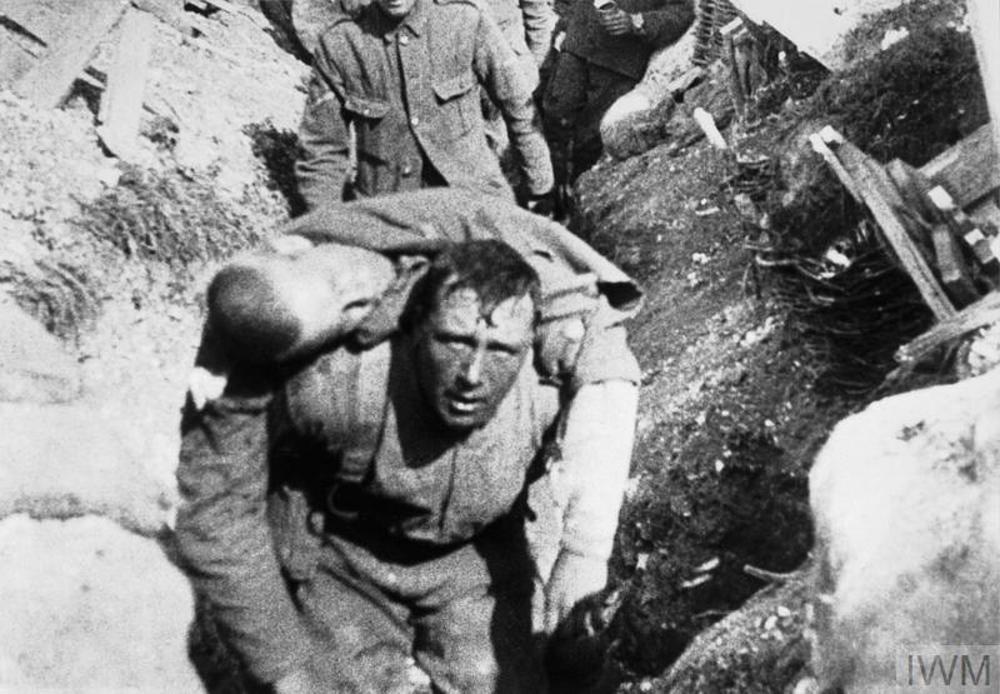
Image: One of the most enduring images of the Battle of the Somme, a British soldier carries a wounded soldier down the friendly trench network. This still image taken from the 1916 film "The Battle of the Somme" is widely believed to have been taken on the opening day of the Somme and has come to symbolise trench warfare and the wider First World War (IWM (Q 79501))
What was the Battle of the Somme?
The Battle of the Somme was a major First World War offensive.
It was fought along the Somme River in northern France.
Over the years, the battle has come to symbolise the enormous struggle and loss of life in the First World War.
The battle holds particular significance for Britain and the Commonwealth, due to the huge losses taken in this infamous campaign.
How long was the Battle of the Somme?
The Battle of the Somme lasted for 141 days between July 1 and November 18, 1916.
The First Day of the Somme is known as the “British Army’s darkest day”. Thousands of men were killed and tens of thousands injured, resulting in the largest losses ever sustained by the British Army on a single day in its history.
What were the objectives of the Somme Offensive?
The Somme Campaign’s overarching military and strategic objectives were structured around four key points:
- Relieve Verdun – The titanic Battle of Verdun was raging between the French and German forces further to the east. The Somme Offensive was planned to force Germany to divert troops and resources away from Verdun, offering relief to the beleaguered French.
- Attrition – Allied commanders sought to continuously engage the German military to wear down its manpower and supplies in high-cost battles.
- Achieve a breakthrough – Ever since stalemate and trench warfare set in in the early war, commanders had been looking for a decisive breakthrough. On the Somme, Haig hoped to push through German lines along an 18-mile front.
- Support the wider war strategy - The Somme campaign was part of a wider, synchronised Allied effort to attack the German-led Central Powers simultaneously on multiple fronts.
What were the key phases of the Battle of the Somme?
The Battle of the Somme was split into three distinct phases:
- First Phase: 1 – 20 July – The opening day of the Somme on 1 July saw some successes, particularly in the southern Somme sector, but it is overwhelmingly remembered for the sheer volume of British and Commonwealth casualties, close to 60,000 and more than 18,500 deaths. The first phase of the Somme includes the Battle of Albert and is genuinely thought to finish with the night assault on Bazentin Ridge.
- Second Phase: 14 July to September 9 – The Battles across the Somme intensify as the offensive morphs into periods of gruelling attrition and smaller, hard-fought actions for heavily defended ridges and woods, such as Delville Wood and Pozieres. During this period, Commonwealth troops are introduced to the Somme with the deployment of Australian, Canadian, New Zealand, and South African units. British, Indian and Newfoundland units had been fighting since the first day.
- Third phase: September 15 to November 18 – Tanks were deployed for the first time at the Battle of Flers-Courcelette as the Battle of the Somme ground down. Later actions include the Battle of Ancre Heights. By the end of the battle, hundreds of thousands were dead on both sides for little gain.
The First Day of the Somme
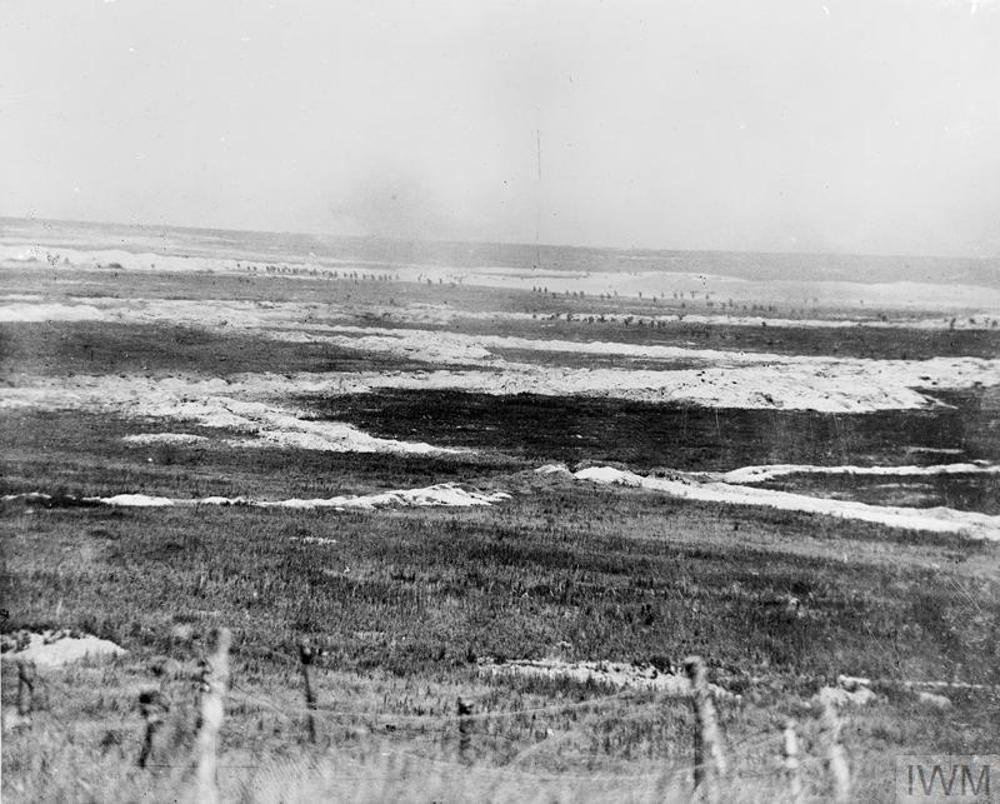
Image: A remarkable image of British infantry attacking across No Man's Land on 1 July 1916. The black dots across the horizon are actually British soldiers advancing (IWM (Q 87))
1 July 1916 is known as the First Day of the Somme. It is the bloodiest single day in British military history.
The offensive was preceded by a week-long artillery bombardment, throwing some 1.75 million shells at the German lines. British plans had altered, meaning the bombardment was spread over a wider area, limiting its success.
Digging into the Somme’s chalky soil, the German Army had built up a formidable network of trenches, pillboxes, bunkers and other defences, including reams of infamous barbed wire.
The British bombardment failed to break the German lines ahead of the infantry assault. The week-long artillery barrage also warned German defenders that a major attack was on its way.
The offensive began at 7:30 am. Several huge mines were detonated beneath the German frontline slightly ahead of the infantry assaults. Shortly after, the foot soldiers went “over the top”.
Infantry expecting light resistance following the bombardment ran into concentrated, intense German machine-gun, rifle, and artillery fire. Many men also found uncut barbed wire, forcing them to attempt to cut through with small tools while dodging German bullets.
In some sectors, the British attacks were ferocious and achieved their goal of breaking into German frontline positions. With little to no reinforcements and facing determined counterattacks, these units were pushed back to their starting zones.
Overwhelmingly, however, the First Day of the Somme was not a British triumph.
Over 18,500 British and Newfoundland servicemen were dead or missing by the end of 1 July 1916. Nearly 60,000 had been wounded or captured. It remains the single worst day in British military history.
But with French troops being bled white at Verdun, there was no question of calling off the offensive.
July to November: The Battle continues
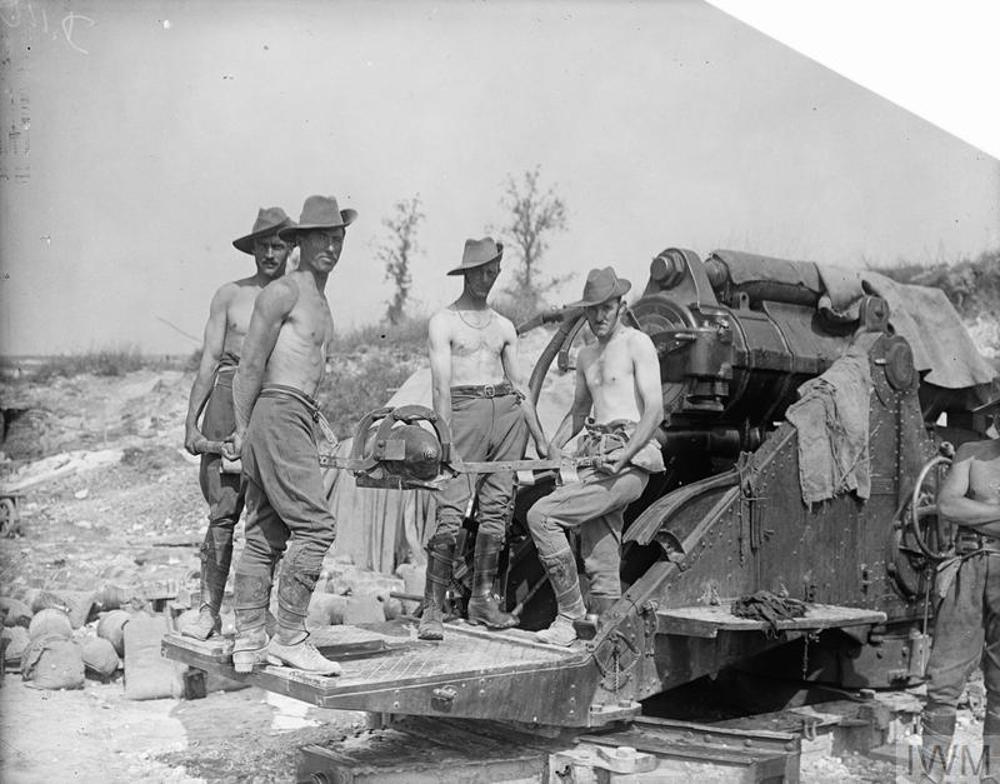
Image: An Australian artillery crew poses for the camera in the blazing hot July sun during the Battle of Pozieres
More attacks between 3 and 13 July resulted in 25,000 casualties. As manpower began to dwindle, Commonwealth units were rushed to the front with the introduction of Australian, Canadian, New Zealand, and South African units. A small amount of Indian cavalry also operated on the Somme.
Between mid-July and November 1916, no less than 12 separate battles were fought on the Somme, including many small engagements and actions. Many of these became tough slogs, lasting for weeks.
Some of the most notable battles of the Somme include the Australian attack at Pozieres, the Canadians at Regina Trench, the South Africans at Delville Wood and the Indian cavalry charge at High Wood.
In September at the Battle of Flers-Courcelette, tanks were used for the very first time in combat. The Thiepval Ridge, on which the Thiepval Memorial stands, was captured at the end of September after months of resistance.
The weather began to deteriorate as summer turned to autumn. The shell-marked, churned-up, muddy landscape made it difficult for the infantry to attack.
Despite this, the Battle of the Somme is thought to have ended with the successful British and Canadian attack on German positions on high ground known as the Ancre Heights.

Want more stories like this delivered directly to your inbox? Sign up for our newsletter for regular updates on the work of Commonwealth War Graves, blogs, event news, and more.
Sign UpWas the Battle of the Somme a success?
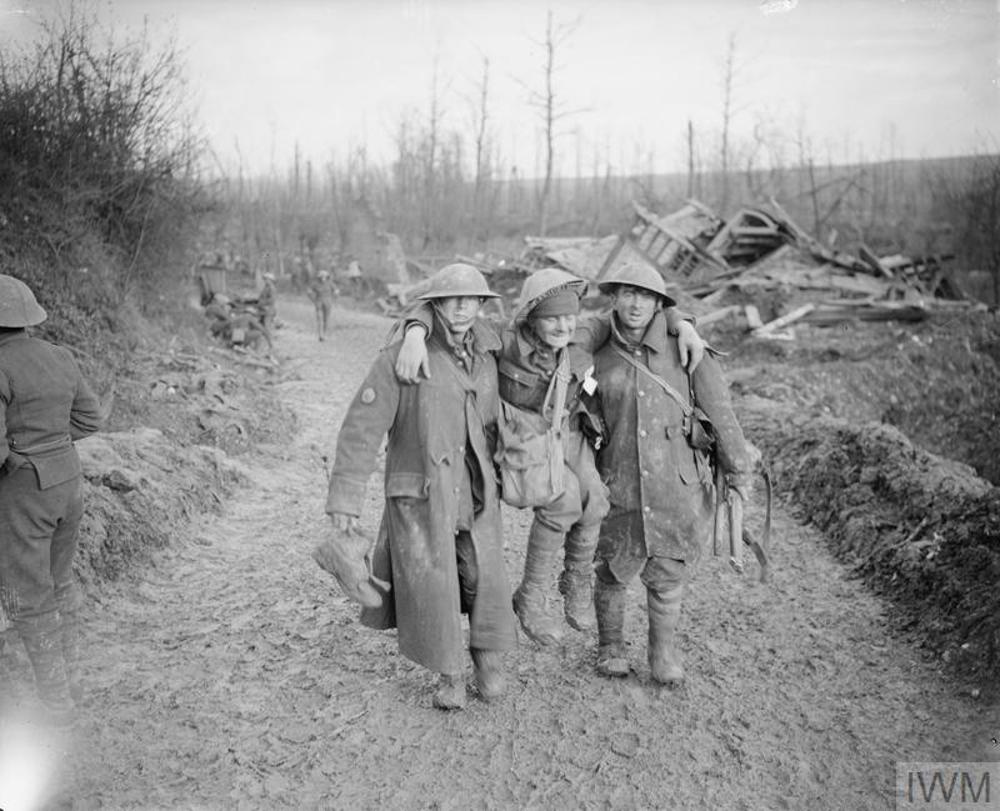
Image: Soldiers help a wounded comrade along during the Battle of Ancre, November 1916 (IWM (Q 4538))
In the face of huge losses for small amounts of territory gained, it is hard to call the Battle of the Somme a total success.
By the end of the five-month campaign, the British and Commonwealth troops and their French allies had advanced no more than seven miles. For this small gain, over 150,000 British Empire servicemen were killed or missing. Hundreds of thousands more were wounded.
However, some important aspects of the Battle of the Somme suggest it wasn’t a complete military disaster.
Lessons of the Somme
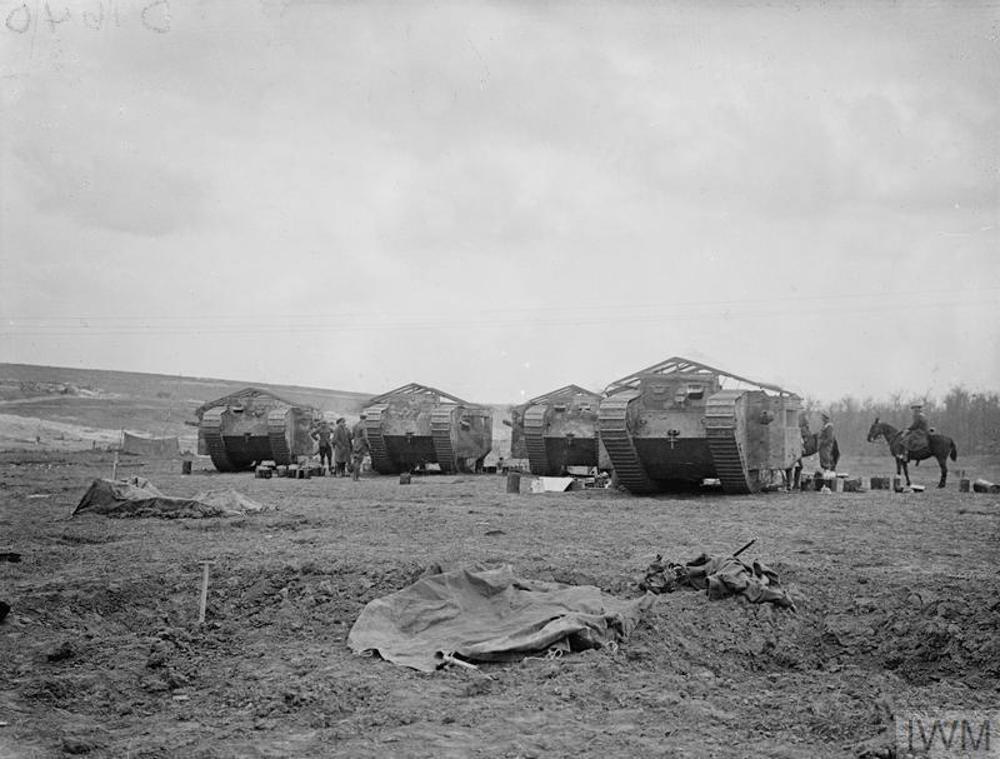
Image: A line of British tanks preparing for deployment in late 1916. The Somme was the first time tanks ever went into battle (IWM (Q 5576))
As the battle wore on, the previously inexperienced volunteer and Pals Battalion units of the British Expeditionary Force had gained vital combat knowledge. The Somme was the crucible in which the BEF was forged into a stronger fighting force.
Artillery and infantry tactics were developed. The long, “wave” attacks began to evolve into small-unit tactics. Junior officers and NCOs were given more freedom to improvise, while units were given more machine guns and grenades to achieve breakthroughs.
Combined arms warfare, combining armour, infantry, artillery and air power, was crystallised on the Somme. While it would take until 1918 for combined-arms warfare to be perfected, it was first developed on the Somme.
Artillery was also overhauled. Commanders shifted from week-long preliminary bombardments to shorter, targeted assaults. Creeping barrages, where infantry would advance just behind the artillery fire screen, became commonplace.
The German Army was also forced to move around 20 divisions away from the Verdun sector to contain the Allies on the Somme, helping relieve the pressure on the battered French garrisons at Verdun.
So, while it may appear to have been a terrible disaster, especially the Somme’s first day, the reality is more complex and nuanced. The Somme Offensive did not achieve the breakthrough Allied High Command was searching for, but it did teach them some important tactical and strategic lessons that they could use to win the war.
How many casualties were taken in the Battle of the Somme?
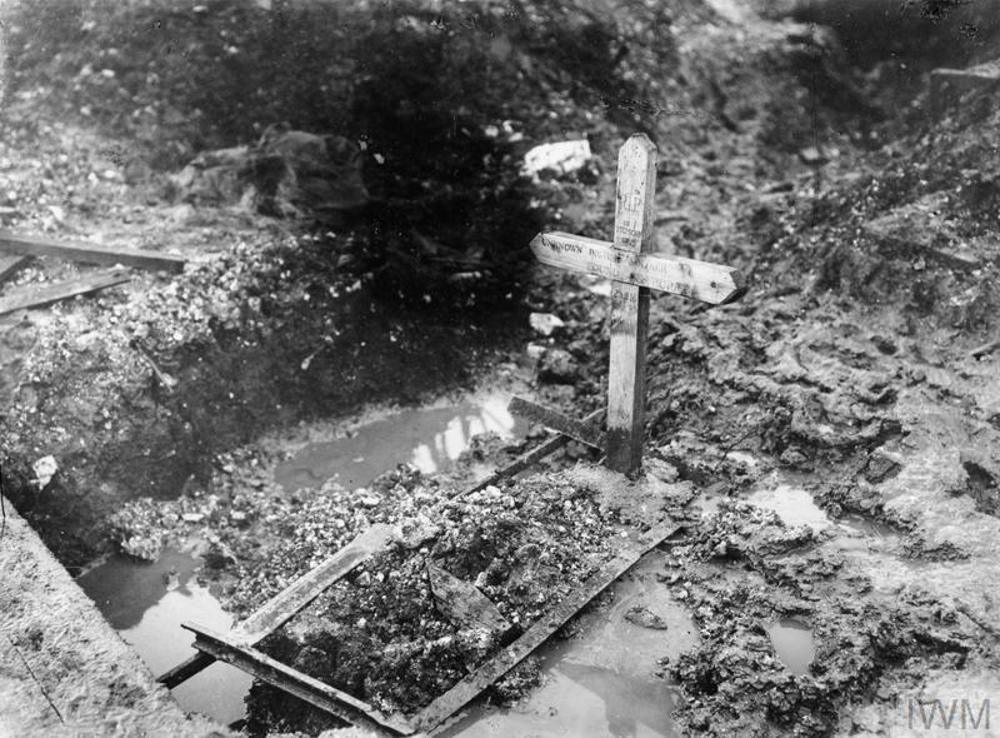
Image: A simple wooden grave marker marks the hastily dug war grave of an unknown British soldier
It’s estimated that both sides took up to 1.2 million casualties, killed, missing or wounded during the five-month Somme Offensive.
French losses are estimated at between 200,000 and 204,000 killed, missing or wounded. The highest estimate for German Somme losses stands at half a million.
Around 150,000 Commonwealth servicemen were killed in action on the Somme. Around 72,000 have no known war grave and are thus commemorated on CWGC war memorials. Those recovered casualties are buried in war graves at over 370 Commonwealth War Graves Commission cemeteries, local churchyards, or municipal burial grounds across the Somme.
Australia suffered 28,000 casualties during the Somme offensive, including 23,000 at the July-September Battle of Pozieres. Its Somme war deaths are estimated at 6,700.
South Africa’s Somme experience is mostly tied to the attack on Delville Wood. Of the 3,150 or so South African infantrymen who went into the woods, over 2,500 were killed or wounded. A further 1,150 South African losses were taken at Warlencourt in October 1916.
New Zealand sustained some 8,000 casualties during its time on the Somme, including more than 2,110 deaths. Over half of those Kiwis who died in the Somme campaign have no known war grave.
Newfoundlanders went into action on the First Day of the Somme, too, resulting in the loss of over 700 men and officers, nearly annihilating the Royal Newfoundland Regiment.
Canada’s Somme experience included the successful but costly capture of Courcelette. By November, an exhausted Canadian Corps had lost some 24,000 men, including over 8,000 dead or missing.
Stories from the Battle of the Somme
Captain Eric S. Ayre
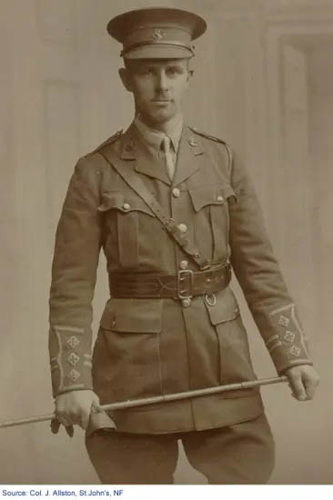 Image: Captain Eric Ayre (Courtesy of Col. J Allston of St John's NF)
Eric Stanley Ayre was born into a wealthy and prominent family in St. John’s, Newfoundland, on 20th October 1880, the elder of two sons of Lydia Gertrude Pitts and Robert Chesley Ayre. His father was one of the six sons of the founder of the St. John’s mercantile firm Ayre & Sons Limited.
Eric was educated at the Methodist College in St. John’s, where he won academic and sporting prizes. He then went on to attend Leys School in Cambridge, England.
Ayre returned to Newfoundland sometime around 1910 to enter the family business as a director, and he was with the company when war was declared. He was an early enlister, gaining a commission as a Lieutenant with responsibilities for recruitment and training in his area.
This meant he did not accompany the first draft of soldiers to England. Instead, he and Captain Alexander Montgomerie were designated by the Newfoundland Patriotic Association, the organisation responsible for the local war effort, as members of a Reserve Force Committee. This committee was charged with raising another 500 men to provide additional drafts for service overseas.
Ayre spent the autumn of 1914 and winter of 1915 continuing his work, being promoted to Captain on January 26, 1915. By the spring of that year, enough men had enlisted to enable C Company, with 244 men, and D Company, with 250, to depart for service overseas on February 4 and March 20, respectively.
A month later, on April 22, another 241 men comprising E Company left St. John’s on board the Stephano, with Eric as their commanding officer.
They sailed first for Halifax, Nova Scotia, and after an 18-hour stopover, E Company sailed for England. Ayre’s time during the next year was spent in training the recruits in Scotland. While stationed in Scotland, Eric married Janet Miller of St. John’s at St. Giles Cathedral in Edinburgh on June 19, 1915.
He did not accompany the Regiment to Gallipoli and did not see front-line service until assigned to command D Company on the Western Front in the spring of 1916. He arrived in France on 4 May and was with his company as prepared for the ‘big show’ scheduled for the summer.
On July 1, the opening day of the Battle of the Somme, the Newfoundland Regiment went over the top at Beaumont Hamel as part of the third wave of the attack.
Because of the number of dead and wounded soldiers of the first two waves occupying the frontline trench, the Newfoundland soldiers had to attack from a support trench and advance across 200 metres of open ground before they reached the front line. The regiment was virtually decimated, with 700 of their full complement of 800 men wounded, killed or missing.
Eric led his company forward, and according to Private Edwin Shea, was swiftly brought down by machine gun fire. Of the 26 officers who saw action that morning, Ayre was one of 14 who were killed, while the other 12 were wounded.
After the war, Eric’s grave was identified by the Army Graves Registration Units by a cross, and his remains were re-interred in Ancre British Cemetery, where he lies with 41 other soldiers of his regiment.
Corporal John Daly
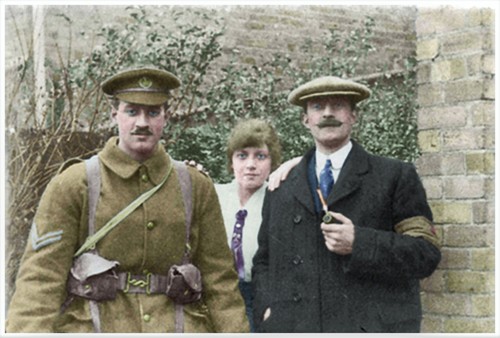 Image: Corporal John Dal, left, with family members
Corporal John Daly's older brother, Simeon, was a career soldier who joined the British Army in 1907. It’s thought that his older brother’s service may have been the catalyst for John’s enlistment shortly after the outbreak of the Great War.
John joined the 10th Battalion, Essex Regiment, and possibly sailed for France in July 1915 as part of the 18th Division.
Before leaving for the Western Front, however, John married his wife Ethel on 3rd April 1915.
At the Battle of the Somme, the 18th Division saw action in the battlefield’s southern sector. Operations were proceeding better in the south than the disastrous attacks of the Northern Somme.
By 14 July, the 18th Division, alongside their comrades from other units, had reached Delville Wood.
John’s Battalion had been resting between 8 and 18 July but was thrown into the deadly hand-to-hand combat engulfing Delville Wood. By now, the South African Brigade holding the woods had been nearly wiped out.
The 10th Battalion reached Delville Wood on July 19. John was killed sometime on the 20th; his Commanding Officer later confirmed that he'd been shot whilst helping a wounded comrade.
John Francis Daly's body was never identified, so he is remembered at the Thiepval Memorial.
Sergeant Matene Rangiamohia Duff
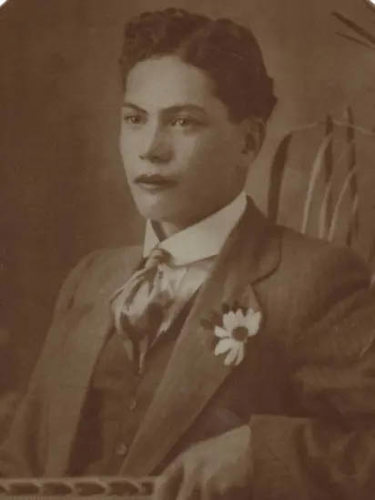 Image: Matene Duff in civilian life (Courtesy of the Duff Family)
Matene Duff was born on 27 May 1894 at Tokaanu. He was the son of Granville John Berney Duff and Rangiamohia Te Herekiekie, and one of three siblings.
His father, Granville Duff, was born in Norfolk, England, and came from an aristocratic family. His work in New Zealand appears to have been sheep farming. In 1899, Granville and Rangiamohia married at the Taupo Registry Office.
By 1907, Granville and Rangiamohia had separated, and he permanently returned to England. It is not known whether Matene, who was 11 at that time, saw his father again following his return.
Not much is known about Martene’s early life, other than he was raised in Tokaanu, a small town on the shores of Lake Taupo, an area known for its natural beauty.
At the outbreak of war, on the 14th of October 1914, Matene enlisted at Avondale. He was one of the first men who became the new Māori Contingent Force, which later became the New Zealand (Māori) Pioneer Battalion.
The 1st Māori Contingent embarked from Wellington on the 14th of February 1915, and over the year ahead, Matene would find himself in Egypt, Malta, Greece, and the Gallipoli Peninsula, where they saw fierce fighting during the attack on Chunuk Bair, an area of high ground above the beaches of the ANZAC sector.
Having survived the Gallipoli Peninsula, the contingent later sailed to Marseilles, France, on the 9th of April 1916. By the time of his arrival, Matene had risen to the rank of sergeant. At this time, the contingent became a Pioneer Battalion.
On the 14th of August 1916, Matene’s battalion began moving to the Somme. Their first Western Front experience would be through German shelling, which rained over the area of the old front line they were occupying around Fricourt and Montauban, and later Delville Wood, where the Pioneers were working on repairing trenches and dugouts.
His father, Granville, also served as a major in the Royal Field Artillery during the First World War, and one can speculate as to whether they ever crossed paths.
On the 31st of August 1916, one man was killed, five were wounded, in addition to a sergeant and three men being gassed. The gassed sergeant was likely Matene Duff, who was evacuated to an advanced dressing station suffering from the effects of gas and shrapnel wounds to his legs.
Unfortunately, Matene Duff succumbed to his injuries, dying the next day, 1 September 1916. He was buried at Dantzig Alley Cemetery. In a letter sent by one of Matene’s comrades following his death, it was noted that three days later, Matene was going up for his commission as an officer.
Our thanks to Harvey Henson for sharing Matene’s story.
Where are the fallen of the Somme Commemorated?
Cemeteries containing the graves of the fallen of the Somme can be found in several places across Northern France and the United Kingdom.
Men were buried where they fell in First World War battlefield cemeteries, others were moved to larger cemeteries after the war, and some were evacuated for medical care and later died at hospital centres away from the frontlines.
Some of our largest Somme cemeteries are:
- Serre Road Cemetery No.2 - 7,137 burials
- Caterpillar Valley Cemetery, Longueval - 5,571 burials
- Delville Wood Cemetery, Longueval - 5,523 burials
- London Cemetery and Extension, Longueval - 3,874 burials
- A.I.F. Burial Ground, Flers - 3,647 burials
- Ovillers Military Cemetery - 3,561 burials
War memorials to the missing on the Somme
There are eight CWGC memorials to the missing of the Battle of the Somme 1916 and to those who died on the Somme during the rest of the war:
- Thiepval Memorial - 72,309 casualties
- Pozieres Memorial - 14,701 casualties
- Vimy Memorial - 11,151 casualties
- Villers-Bretonneux Memorial - 10,703 casualties
- Neuve-Chapelle Memorial - 4,653
- Caterpillar Valley (New Zealand) Memorial - 1,205 casualties
- Beaumont-Hamel (Newfoundland) Memorial, 808 casualties
- Noyelles-Sur-Mer Chinese Memorial, 92 casualties
The Thiepval Memorial to the Missing of the Somme
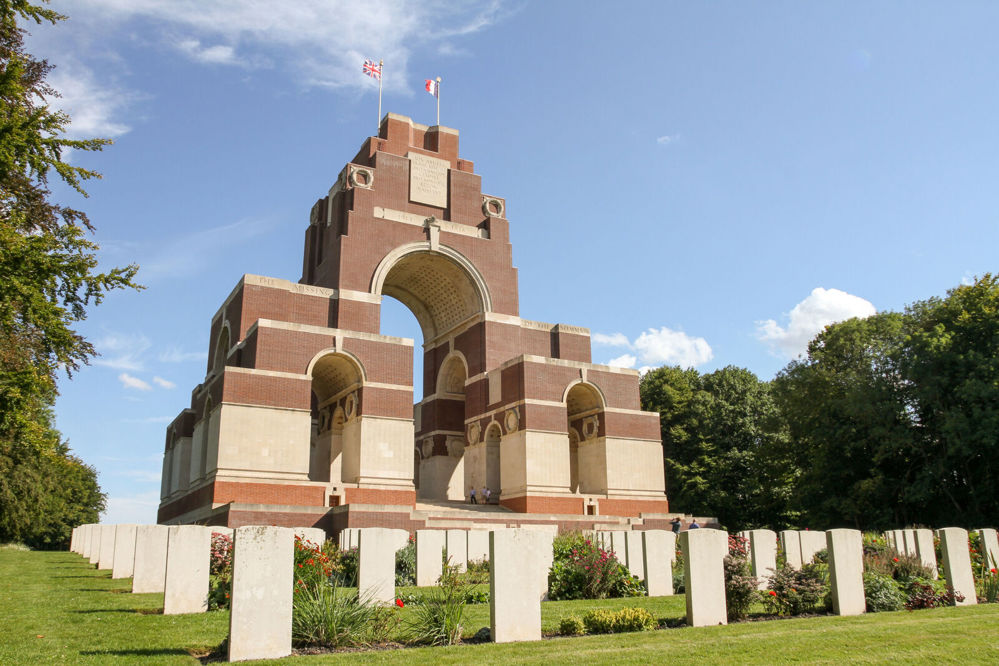
Image: The Thiepval Memorial as seen from the British section of Thiepval Anglo-French Cemetery
The Thiepval Memorial to the Missing of the Somme is our largest war memorial in the world. Since its unveiling in August 1932, Thiepval has become the primary point of commemoration for the Battle of the Somme.
Upon Thiepval’s monumental panels are inscribed the names of over 72,300 British and South African officers and enlisted men. The vast majority date from the Battle of the Somme in 1916, while several hundred others were victims of Somme battlefields later on in the war.
Why does the Somme still matter today?
For many, the Battle of the Somme is the ultimate symbol of the tragedy, scale, and futility of the First World War.
The Somme was the largest battle the British Armed Forces had fought to that date. The first day remains the worst day in British military history.
The devastating losses of the Pals Battalions brought the reality of warfare home to the millions of families around the UK and beyond. This marked a fundamental shift in the nation’s perception of warfare.
What was once seen as a noble, glorious adventure was now perceived as a terrible waste of young lives.
Much of the iconography we associate with the First World War, brave Tommies going over the top to battle against mud, blood, and wire in No Man’s Land, comes from the Somme.
This was one of the first conflicts where footage of the battle, although much of it was staged, was seen in cinemas. Over 20 million people watched the 1916 Battle of the Somme when it was released at the battle’s height, deeply affecting the public’s perception of the war.
The Somme matters today for its scale and the reminder of the sheer loss of life thrown up by a futile conflict.
Beyond that, the Somme is also remembered as the place where the BEF grew from inexperience and naivety into a deadly, competent, fighting force. Many innovations that shaped modern warfare took place on the Somme’s battlefields too, including the development of combined arms warfare and the deployment of the tank.
Why the Somme still matters - Frequently Asked Questions
The Battle of the Somme still matters today because the names of the fallen, the cemeteries and memorials where these servicemen are commemorated, and CWGC records continue to make the human cost of the First World War visible.
July 1 1916, is the First Day of the Battle of the Somme. It was the first day of the 5-month Battle. On this day, over 18,500 Commonwealth servicemen were killed in action and nearly 60,000 became casualties. It remains the blackest day in history for the British Armed Forces.
The Thiepval Memorial to the Missing of the Somme is our largest war memorial in the world. It is important because it commemorates by name over 72,000 British and South African servicemen who died in the Somme sector but sadly have no known grave.
Yes, there are over 450 locations on the Somme where you will find Commonwealth war graves. This includes some 350 commemorating casualties dating from the Battle of the Somme. You can find this and visitor information for these sites by using our Find War Dead tool.
While the first day of the Somme is widely remembered for its tragedy, the Battle of the Somme actually lasted for 5 months, from July to November 1916. The campaign drew in Australian, Canadian, Indian, and South African troops, with British Armed Forces supported by the French. The Somme battlefield covered a sector 20 miles wide by 6 miles deep and should be viewed as a longer campaign without losing sight of the first day's significance.
You can use our records to search for Somme war dead. Use the Find War Dead tool and filter using the First World War, France burial location, and Battle of the Somme date range to find servicemen. Alternatively, you can use our Find War Cemeteries and Memorials tool and use France and Somme as your locations. You will be able to download a list of all the war dead commemorated by Somme sites on each cemetery or memorial's individual page.
Alternatively, you can use For Evermore: Stories of the Fallen, our storytelling platform, to discover stories of those we commemorate on the Somme.
Thiepval and the more than 72,000 names it commemorates make visible the scale of those who died in the Somme sector without a war grave.
Our cemeteries and memorials are permanent points of commemoration for the fallen of the Battle of the Somme. We also maintain records of these servicemen's names, which are constantly monitored and updated accordingly. Our maintenance and horticultural teams provide year-round care for our sites on the Somme, too.
Author acknowledgements
Alec Malloy is a CWGC Digital Content Executive. He has worked at the Commonwealth War Graves Commission since February 2022. During that time, he has written extensively about the World Wars, including major battles, casualty stories, and the Commission's work commemorating 1.7 million war dead worldwide.